When comparing a 110 SPC flooring extrusion machine, motor power is often one of the first specifications buyers check. It is important, but it does not tell the whole story. Two machines with similar motor ratings can perform differently because of their feeding systems, gearbox construction, heating control, extrusion dies, calendering units, and downstream equipment.
For flooring manufacturers, the real question is not simply how powerful the machine is. It is whether the complete line can process the selected SPC formula steadily, maintain sheet dimensions, support the required surface finish, and operate reliably during long production runs. This guide explains the main points buyers should compare before choosing an SPC flooring extrusion machine.
Why Motor Power Alone Is Not Enough
Motor power indicates the drive capacity available to the extrusion system, but actual production performance also depends on screw design, material feeding, processing temperature, formulation, and line configuration. A machine with a larger motor does not automatically produce better SPC sheets or deliver a higher usable output.
For example, if the feeding system supplies an inconsistent amount of PVC resin, calcium carbonate, and additives, the extruder may experience fluctuations even when the motor has sufficient power. These fluctuations can affect melt stability, sheet thickness, and the workload placed on the calendering section.
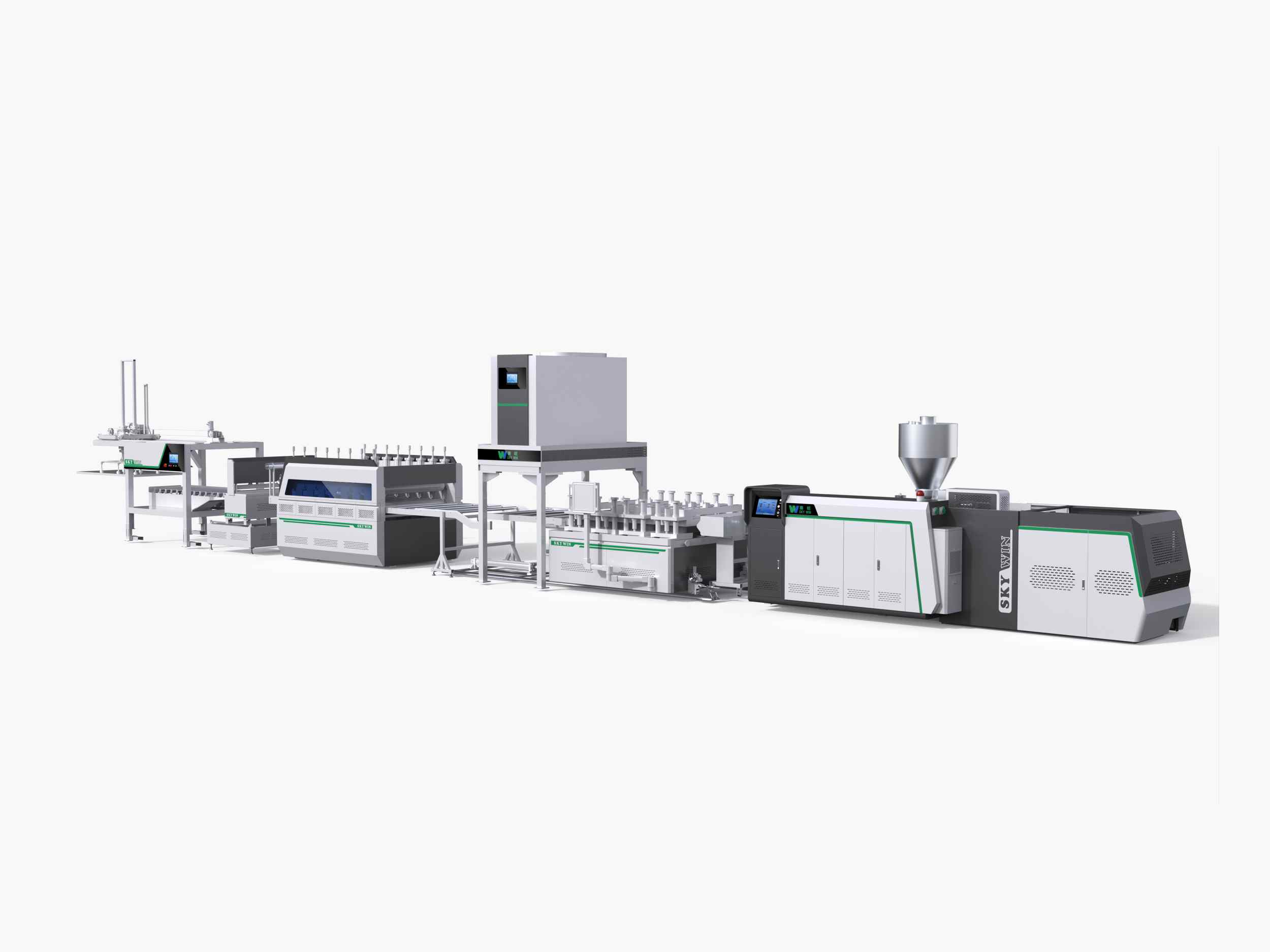
Buyers should therefore compare the complete equipment configuration rather than selecting a machine based on one specification. The SPC PVC Flooring Sheet Extrusion Line should be evaluated as a coordinated production system, with each section matched to the material formula and finished flooring requirements.
Check Feeding Accuracy and Screw Design
Stable feeding is one of the foundations of consistent SPC sheet production. The material blend usually contains PVC resin, calcium carbonate, stabilizers, and other additives. If the feeding amount changes during operation, the material entering the extruder may not maintain a consistent composition or volume.
A precision-machined feeding screw can help deliver material more consistently. When comparing suppliers, ask how the feeding structure is designed, how the feeding rate is adjusted, and whether the proposed system is suitable for your actual formula and output target.
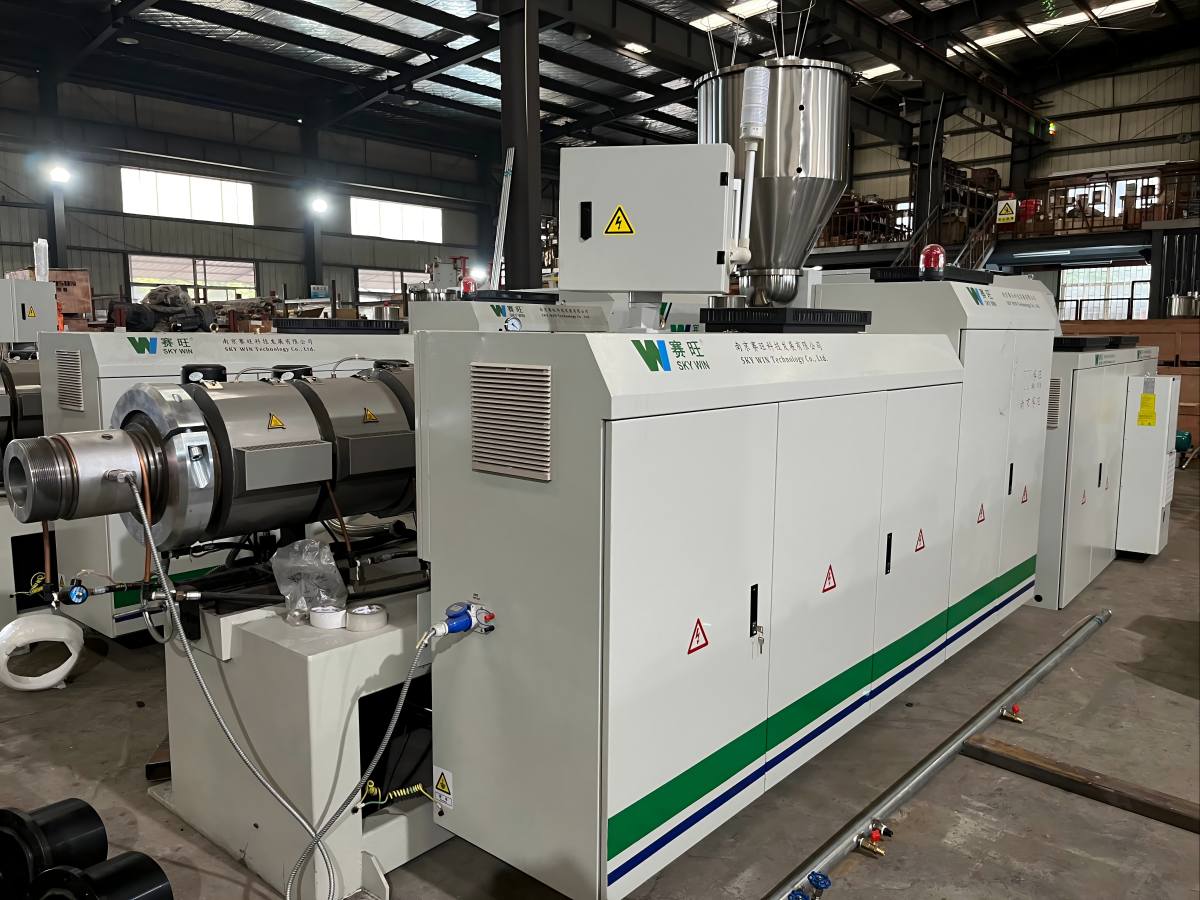
The screw and barrel also deserve attention. Their geometry, material selection, processing condition, and wear resistance influence how the compound is conveyed, mixed, and plasticized. A suitable screw configuration should be selected according to the material characteristics instead of relying on a general-purpose specification.
Evaluate Gearbox Construction and Load Capacity
The gearbox transfers power from the motor to the screw. It must handle continuous operating loads and maintain stable transmission during production. A weak or poorly matched gearbox can become a maintenance concern, particularly when the line runs for extended periods or processes formulations with a high mineral filler content.
When reviewing a quotation, ask about the gearbox housing material, internal gear processing, bearing arrangement, lubrication method, and maintenance requirements. SKY WIN's equipment comparison information identifies QT500 ductile iron for the gearbox and distribution box housing. The housing structure and machining quality should be considered together rather than treating the material grade as the only indicator of durability.
It is also useful to ask the supplier whether the gearbox configuration is matched to the motor power and expected operating load of the selected machine.
Compare Heating Control and Temperature Stability
SPC compounds require controlled processing temperatures. If some areas of the barrel or die become too hot or too cold, the material may not plasticize evenly. Temperature fluctuations can influence melt flow, surface appearance, and the consistency of the finished sheet.
Remote infrared heating is one of the heating configurations identified in the equipment comparison. Buyers should ask how the heating zones are arranged, how temperature is measured, and how the control system responds when production conditions change.
Do not compare heating systems only by their heating method. The important point is whether the system can maintain the temperature range required by the selected SPC formulation during continuous operation.
Inspect the Extrusion Die and Melt Distribution
The extrusion die determines how the molten SPC material is distributed before it enters the calendering section. Uneven flow across the die width can lead to thickness differences, unstable edges, or inconsistent sheet quality.
A coat-hanger die is designed to distribute melt across a wide die opening. However, the die still needs to be designed and adjusted according to the material characteristics, sheet width, thickness range, and production requirements.
Ask the manufacturer how the die is processed, how the flow channel is designed, and how operators can adjust the die during commissioning. A suitable die should support stable material distribution across the working width, not simply match the machine's nominal output.
Look at the Calendering System as Part of the Complete Line
After leaving the die, the hot SPC sheet enters the calendering section. The rollers help control sheet thickness, surface condition, and dimensional stability. Roller alignment, surface quality, temperature control, and frame rigidity can all affect the final result.
A five-roll calender is included in the equipment configuration described in the comparison material. Buyers should confirm the roller arrangement, roller dimensions, surface finish, adjustment method, and temperature-control design. The frame should also provide sufficient rigidity to maintain stable roller positioning during operation.
It is worth asking the supplier to explain how the calendering section is matched to the target sheet thickness and width. A well-configured extruder still needs a suitable calendering system to produce consistent finished sheets.
Check Lamination and Surface Film Alignment
Many SPC flooring products require a decorative film and wear layer. In this case, lamination is another important part of the production line. The preheating process, film tension, roller pressure, and alignment system all influence bonding and appearance.
For products using different wear-layer thicknesses, ask whether the preheating rollers and lamination settings can be adjusted to suit the selected material. The supplier should also explain how the film is guided and how operators correct alignment during production.
A dual-camera visual alignment system with servo control may help operators monitor film positioning. However, the actual alignment result depends on the film, sheet condition, machine setup, and operating speed. Buyers should request a demonstration using their own material if registration accuracy is a key requirement.
Compare the Control System and Electrical Components
The control system affects how operators manage temperature, speed, feeding, and other production parameters. A clear interface and reliable electrical components can make daily operation and troubleshooting easier.
When comparing machines, ask which PLC and variable-frequency drive brands are available. The equipment comparison lists Siemens or Delta PLC options and ABB or Delta frequency converters. The final selection should be confirmed in the quotation because component brands may vary according to the machine configuration.
Also check whether the control system provides alarm records, parameter adjustment, and support for troubleshooting. These practical details can matter more to daily production than a long list of component names.
Questions to Ask Before Ordering a 110 SPC Flooring Extrusion Machine
Before placing an order, buyers should prepare a clear technical checklist. This helps prevent differences between the quoted configuration and the equipment eventually delivered.
- What material formula and filler ratio will the machine process?
- What sheet width and thickness range are required?
- Which feeding, screw, and gearbox configurations are included?
- How many heating zones are provided, and how is temperature controlled?
- What die and calendering configuration is included?
- Does the line include film preheating, lamination, and alignment equipment?
- Which PLC, inverter, and electrical components are specified?
- What output can be demonstrated with the buyer's actual formula and product dimensions?
- What installation, operator training, spare parts, and after-sales support are included?
Buyers can also review the SKY WIN extrusion equipment range to understand the available machine configurations and identify which system is more suitable for their flooring products.
Frequently Asked Questions
Does higher motor power always mean higher SPC flooring output?
No. Motor power is only one part of the production system. Feeding stability, screw design, formulation, die flow, calendering capacity, and downstream speed also affect actual output. Buyers should request a production test based on the intended material and product specifications.
Why is feeding accuracy important for SPC sheet production?
Feeding accuracy helps maintain a consistent supply of PVC resin, calcium carbonate, and additives. Unstable feeding can cause process fluctuations and make it harder to maintain consistent sheet thickness and quality.
What should buyers check on an SPC extrusion die?
Buyers should review the die flow-channel design, machining quality, working width, thickness range, adjustment method, and compatibility with the selected formulation. The die should distribute melt evenly across the sheet width.
Is a five-roll calender necessary for every SPC flooring line?
Not necessarily. The required calendering configuration depends on the product structure, sheet dimensions, surface requirements, and production target. Buyers should confirm the appropriate roller arrangement with the equipment manufacturer.
How can buyers verify the actual output of a 110 SPC flooring extrusion machine?
Ask the manufacturer to define the test conditions, including material formula, filler ratio, sheet width, thickness, line speed, and operating time. A capacity figure without these conditions may not reflect the output achievable in the buyer's factory.