dyyseo

Forged Wheel Warranty Explained What We Guarantee and How It Works

When purchasing custom forged wheels, understanding the forged wheel warranty is essential. At Rimpower Wheel, we provide a clear and structured warranty policy to ensure every customer can order with confidence.


In this article, we explain what is covered by our forged wheel warranty, how our production process reduces risk, and what you can expect after delivery.


1. Built on Verified Design Before Production


Every order starts with a 3D technical drawing. Before production begins:


- The customer reviews and confirms all specifications  

- Our engineering team double-checks fitment, size, offset, and PCD  


Production only starts after full confirmation. This process ensures accurate fitment and avoids installation issues.


2. Structural Warranty for Forged Wheels


We provide a structural warranty of up to 5 years or 100,000 kilometers (whichever comes first).


Our forged wheels are made from high-strength T6061-T6 aluminum, offering excellent durability and performance under normal driving conditions.


*Note: This warranty does not apply to extreme lightweight designs.*


3. Surface Finish Warranty for Forged Wheels


- Standard finish: 12 months warranty  

- Chrome finish: 6 months warranty  


Our surface treatments are designed for durability, but environmental factors such as extreme weather or improper use may affect coating performance.


4. Fitment Guarantee and Replacement Support


We understand that fitment is critical. 


If installation issues occur due to design errors, we provide free replacement solutions. This ensures that customers receive wheels that match their vehicle perfectly.


5. Strict Material and Production Standards


All wheels are manufactured using forged aluminum blanks and processed with precise CNC machining.


Each step of production follows strict quality control standards to ensure consistency, safety, and long-term reliability.


6. What Is Not Covered


Like all automotive components, wheels can be affected by external factors. The warranty does not cover damage caused by:


- Improper transportation, storage, or installation  

- Overloading, accidents, or high-impact driving  

- Unauthorized modifications or welding  

  • Incorrect use of tires, bolts, or accessories  Rimpower Wheel Warranty


All wheels are shipped with a printed warranty card included in the package for reference.


Our goal is not only to manufacture high-quality forged wheels, but also to provide a reliable and transparent service process.


From design confirmation to warranty support, every step is built to reduce risk and ensure customer satisfaction.


If you are looking for custom forged wheels with dependable quality and support, feel free to contact us to start your project.


Explore our custom forged wheels for luxury vehicles → https://www.dhwheel.comhttps://www.dhwheel.com/category/luxury-wheel


阅读全文......

What Does 6061-T6 Forged Wheel Mean? The Engineering Behind the Performance

When shopping for high-performance wheels, you've likely come across the term "6061-T6 Forged." It’s often used as a badge of quality, but what does it actually mean for your driving experience? In simple terms, this specification defines the material, manufacturing process, and heat treatment that separate premium wheels from ordinary ones.


1. The Alloy: Why 6061?

The journey begins with 6061 aluminum, a aerospace-grade alloy known for its exceptional strength-to-weight ratio. By combining aluminum with silicon and magnesium, this material offers superior corrosion resistance and structural integrity. It’s the ideal foundation for a wheel that needs to be both lightweight and capable of handling extreme loads.


2. The Process: Forging

Forged wheel factory

This is where the magic happens. Unlike casting, which pours molten metal into a mold, forging starts with a solid billet of 6061 aluminum. Under thousands of tons of pressure, the metal's grain structure is compressed and aligned, resulting in a wheel that is denser, stronger, and more resistant to impact. As you can see in the image above, this is precision engineering at its finest—crafted right in our facility.


3. The Finish: T6 Heat Treatment

The "-T6" suffix refers to the thermal treatment applied after forging. Through solution heat treatment and artificial aging, the aluminum achieves peak hardness and tensile strength. This process ensures the wheel maintains its shape and performance under high heat and heavy stress—critical for track days or rough terrain.

A 6061-T6 forged wheel isn’t just a component; it’s an investment in performance and safety. By combining premium alloy, advanced forging, and precise heat treatment, these wheels reduce unsprung weight, improve handling, and offer unmatched durability. Whether you're building a race car or upgrading your daily driver, choosing 6061-T6 forged means choosing proven engineering.


阅读全文......

What is 2-piece forged wheel?

A two-piece forged wheel is a high-performance modular wheel constructed from two separate components: a center face (spokes and hub) and an outer barrel (rim). These components are typically manufactured from high-grade 6061-T6 aluminum using extreme heat and pressure to align the metal's grain structure, resulting in superior strength and lightweight characteristics compared to standard cast wheels. 

Two piece wheel structure

Construction and Components

Center Section (Face): Machined from a solid forged aluminum billet, this part houses the spokes and mounting surface.

Outer Barrel: A separately manufactured cylindrical piece that holds the tire in place.

Assembly Methods: The two pieces are permanently or semi-permanently joined through welding (creating a unified, rigid structure) or bolting with high-strength hardware. 

Black forged wheels

Key Benefits

Customization: Modular construction allows for a wider range of offsets, widths, and finishes than one-piece (monoblock) wheels. For instance, a customer can choose a custom-colored center with a polished or chrome barrel.

Repairability: If a wheel is damaged by a pothole or curb, the affected component (the barrel or the face) can often be replaced independently, saving up to 40% in total replacement costs compared to a one-piece wheel.

Performance: Forged 2-piece wheels are roughly 20–30% lighter than cast wheels, reducing unsprung mass to improve acceleration, braking distances, and handling agility.


Maintenance: They generally require less upkeep than 3-piece wheels because they have fewer joining points and seals to monitor.

Forged wheels for cars

阅读全文......

What Is a 3 Piece Forged Wheel?

You’ve probably seen the term 3 piece forged wheels in custom builds and high-end vehicles—but what does it actually mean?

A 3-piece forged wheel is a modular wheel made from three separate components: the outer lip, inner barrel, and center disc. Unlike one-piece wheels, these parts are manufactured individually and then assembled together.

Because of this structure, 3-piece wheels are also known as multi piece forged wheels, offering greater flexibility in both design and fitment.


How a 3-Piece Forged Wheel Is Built?

Each part of a 3-piece forged wheel is produced using high-pressure forging, which improves strength while keeping the weight low.

After machining, the three components are assembled with high-strength bolts and sealant to ensure durability and airtight performance.

If you want to see how this works in real production, you can explore our OEM/ODM process here:

https://www.dhwheel.com/oemodm-service


Why Choose 3-Piece Forged Wheels?

One of the biggest advantages of 3-piece forged wheels is customization.

Because the wheel is built in sections, you can adjust:

Wheel offset (ET)

Width (inner and outer barrels)

Finishes and surface treatments

This makes them ideal for custom fitment, wide-body builds, and personalized designs.

They are also easier to repair. If one section is damaged, it can be replaced individually instead of changing the whole wheel.


3-Piece vs 1-Piece Forged Wheels

A 1-piece forged wheel is made from a single block of aluminum, making it lighter and simpler.

In comparison, a 3-piece forged wheel offers more flexibility in sizing and design, which is why it’s often chosen for custom builds.


Conclusion

A 3-piece forged wheel is designed for flexibility, precision, and customization. While slightly more complex, it gives you more control over fitment and styling—making it a popular choice for performance and custom applications.

阅读全文......

Why Choose 6061-T6 Forged Wheels?

If you're shopping for high-performance wheels, you've probably come across 6061-T6 forged wheels. But what makes this material so special? And is it the right choice for your car?

Here's everything you need to know about 6061-T6 aluminum forged wheels and why they're the sweet spot in the forged wheel market.

6061 forged wheels

What Is 6061-T6 Aluminum?

6061-T6 is a premium aluminum alloy widely used in aerospace and automotive applications. The "T6" refers to a heat treatment process that enhances strength and durability.

When this material is forged under extreme pressure, the result is a wheel that's:Stronger than cast wheels, lighter than flow formed wheels, more affordable than 7075 forged wheels

6 Key Advantages of 6061-T6 Forged Wheels

1. Perfect Balance of Strength and Toughness

Unlike harder alloys that can crack on impact, 6061-T6 offers excellent ductility. It can absorb shocks from potholes and curbs—bending slightly instead of shattering. This makes it ideal for real-world driving conditions.

2. Superior Strength-to-Weight Ratio

The forging process aligns the grain structure of the aluminum, removing the weak points found in cast wheels. You get a lightweight wheel that's strong enough for both street and track use.

3. Real-World Durability

For daily-driven sports cars and luxury vehicles, 6061-T6 forged wheels offer the ideal durability profile. They resist stress cracking and hold up well to years of aggressive driving.

4. More Affordable Than 7075

6061 aluminum is easier to source and machine than 7075. That means you get 90-95% of the performance at a significantly lower price point—the best entry point into true forged wheels.

5. Excellent Corrosion Resistance

With proper finishing, 6061-T6 wheels resist road salts, brake dust, and harsh weather. They're built to last in any climate.

6. Design Flexibility

The combination of forgeability and machinability allows for complex spoke designs and weight-saving sculpting that would be impossible with cast wheels.

Performance wheels for street

Why Our 6061-T6 Forged Wheels?

We start with aerospace-grade 6061-T6 aluminum, forge it under 10,000+ tons of pressure, and CNC-machine every detail to perfection. The result?

✅ Lightweight performance – Better acceleration, braking, and handling

✅ Unmatched strength – Built to handle the toughest roads

✅ Custom options – Any offset, width, or finish you want

✅ Investment that lasts – Wheels you'll keep for years

Forged rims

Ready to Upgrade?

👉 Browse our 6061-T6 forged wheel collection

👉 Contact us for custom sizing and design

Experience the difference that real forged wheels make.

阅读全文......

Why Choose R22 Refrigerant for Flooded Screw Chillers?

Flooded screw chillers are widely used in industrial cooling systems due to their high efficiency, stable operation, and suitability for large cooling loads. Among the various refrigerants available, R22 refrigerant has long been a popular choice for many flooded screw chiller applications.
So, what advantages does R22 offer in flooded screw chiller systems? Let’s explore the key benefits.


Flooded Evaporator High Efficiency Chiller System


Reliable Performance and Cost Efficiency

One of the primary advantages of R22 refrigerant is its reliable performance combined with relatively low operating costs.
R22 has stable thermodynamic and chemical properties, which allow it to maintain high refrigeration efficiency under a wide range of operating conditions. This stability helps ensure consistent cooling performance while reducing energy consumption.
Compared with some other refrigerants, R22 systems often require less complex system design and lower maintenance costs, making them an economical solution for many industrial cooling projects.
Stable Operation in Various Working Conditions
Flooded screw chillers using R22 refrigerant are known for their excellent operational stability.
R22 performs well across different environmental conditions, especially in high ambient temperature environments, where some refrigerants may experience performance degradation.
This stability helps the chiller:
• Maintain consistent cooling capacity
• Improve system reliability
• Extend equipment service life
For industrial facilities that operate continuously, this reliability is a major advantage.

Mature Technology and Wide Industry Adoption
Another benefit of R22 is its long history of industrial use.
Because R22 has been widely applied in refrigeration and HVAC systems for decades:
• The technology is mature and well understood
• Maintenance technicians are familiar with the system
• Spare parts and service resources are widely available
This widespread adoption reduces operational risks and simplifies system maintenance and troubleshooting.
R22 Refrigerant Flooded Screw Chiller

Good Compatibility with Flooded Screw Chiller Design

Flooded screw chillers rely on efficient heat exchange between refrigerant and the evaporator. R22 has excellent thermodynamic properties, which allow it to perform well in flooded evaporator systems.
This results in:
• Improved heat transfer efficiency
• Higher system COP (Coefficient of Performance)
• Stable compressor operation
These characteristics make R22 well suited for large-capacity industrial chillers.

Important Consideration: Environmental Regulations

While R22 offers many performance advantages, it is important to note that it is classified as an HCFC refrigerant and is being gradually phased out in many countries due to environmental regulations.
Therefore, when selecting a chiller system, users should also consider:
• Local refrigerant regulations
• Long-term refrigerant availability
• Potential alternatives such as R134a, R407C, or R1234ze
Many manufacturers now provide both R22-based systems and environmentally friendly alternatives depending on project requirements.

Conclusion

Flooded screw chillers using R22 refrigerant offer several practical advantages, including:
• Reliable and stable cooling performance
• High refrigeration efficiency
• Mature technology and widespread industry support
• Good compatibility with flooded evaporator systems
These benefits have made R22 a widely used refrigerant in industrial chiller applications. However, considering global environmental policies, businesses should also evaluate future refrigerant options when planning long-term cooling solutions.


阅读全文......

Detailed Explanation of the UL94 Flame Retardancy Standard

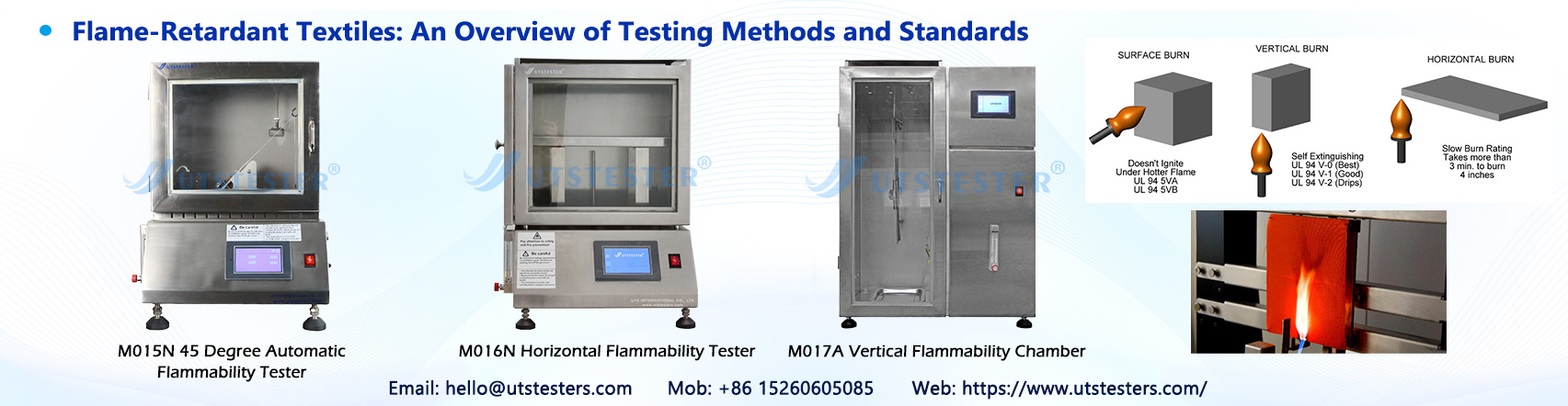
UL94 (Standard for Safety of Flammability of Plastic Materials for Parts in Devices and Appliances) is a safety standard for flame retardancy of plastic materials developed by Underwriters Laboratories (UL) in the United States. Widely used in the electronics, automotive, and construction industries, it serves as the core basis for evaluating the combustion behavior of plastic parts in flame environments. Its test results and grading are crucial for material selection and product compliance.


1. UL94 Test Types

The UL94 standard uses different test methods to simulate the burning conditions of materials in actual use. It is divided into two main categories: horizontal and vertical burning tests. These tests are designed for plastic materials of varying thicknesses and application scenarios.

1. Horizontal Burning Test (HB Grade Test)

Scope of Application: Primarily for plastic materials with a thickness of ≤13mm, this test evaluates the burning speed of the material when placed horizontally. This is the lowest level of flame retardancy in the UL94 standard.


Test Procedure:

Prepare the sample to standard dimensions (125mm long x 13mm wide x 3-13mm thick) and secure it horizontally on a stand. Mark the "start line" on one end of the sample (25mm from the ignition end) and the "end line" on the other end (100mm from the start line).

Use a Bunsen burner (20mm flame height, blue flame) to ignite the sample at the ignition end for 30 seconds, then remove the flame.

Observe the sample's combustion behavior: If the flame extinguishes, record the "afterflame time"; if the flame continues to burn to the end line, record the "burning rate."


Acceptance Requirements:

If the flame does not reach the cutoff line and the afterflame lasts ≤ 30 seconds, the test is considered acceptable.

If the flame reaches the cutoff line, the burning speed must meet the following requirements: For thickness ≥ 3mm, the burning speed must be ≤ 40mm/min; for thickness < 3mm, the burning speed must be ≤ 70mm/min.


2. Vertical Flame Test (V-0, V-1, V-2)

Scope of Application: This test is designed for plastic materials with higher flame retardancy requirements (such as internal components and housings of electronic appliances). It evaluates key indicators such as the extinguishing speed and dripping flammability of the material after being ignited by a flame when placed vertically. This is the most widely used test type in UL94.


Test Procedure:

Prepare the sample to standard dimensions (125mm long x 13mm wide x 0.8-13mm thick) and secure it vertically on a stand. Place a layer of dry medical cotton wool 300mm below the sample (to test for ignition of any dripping material).

Light a Bunsen burner (12.7mm blue flame) at the center of the lower end of the sample for 10 seconds. Remove the flame and record the "first afterflame time" and "afterglow time" (the duration of the material remaining red after the flame extinguishes).

After the sample's afterflame and afterglow have completely extinguished, relight the sample with the Bunsen burner for 10 seconds. Remove the flame and record the "second afterflame time" and "second afterglow time."


II. Key Points in UL94 Testing


Influence of Sample Thickness: UL94 ratings are strongly correlated with sample thickness. For the same material, thicker thickness may result in a higher flame retardancy rating (for example, a plastic that achieves V-0 at 3mm may only achieve V-2 at 1mm). Therefore, test reports must clearly indicate sample thickness, and ratings cannot be applied across thicknesses.


Test Environment Requirements: Testing must be conducted in a standard environment (temperature 23±2°C, relative humidity 50±5%). Ambient temperature and humidity can affect the material's combustion behavior (for example, high humidity can reduce combustion speed) and must be strictly controlled.

Grade priority: The UL94 grades, from high to low, are roughly: 5VA > 5VB > V-0 > V-1 > V-2 > HB. The actual selection should be based on the product usage scenario (such as whether it is near a fire source or whether there is a risk of dripping), rather than blindly pursuing the highest grade.


III. Application of the UL94 Standard

Electronic and electrical applications: Components such as charger casings, circuit board substrates, and wire insulation typically require a V-0 or V-1 rating to prevent the spread of fire or the ignition of other components by dripping materials.

Automotive: Interior plastic components (such as instrument panels and door panels) must comply with UL94 V-2 or higher, with some high-temperature areas (such as those around the engine) requiring a 5VA rating.

Construction: Plastic pipes and decorative materials require a comprehensive assessment based on the UL94 rating and local building fire protection standards (such as China's GB 8624).


Email: hello@utstesters.com

Direct: + 86 152 6060 5085

Tel: +86-596-7686689

Web: www.utstesters.com

阅读全文......

How Does Tensile Strength Testing Extend the Service Life of Industrial Rubber Products?

In the field of industrial manufacturing, rubber products are widely used in core sectors such as automotive manufacturing, construction machinery, mining machinery, and aerospace due to their excellent elasticity, wear resistance, and corrosion resistance. From seals and conveyor belts to hoses and shock-absorbing pads, every type of rubber component performs critical functions in connection, cushioning, or transmission. However, industrial environments are complex and ever-changing. Factors such as extreme temperatures, high-pressure friction, and chemical corrosion constantly push rubber products to their performance limits. As one of the core tests for evaluating rubber material performance, tensile strength testing not only assesses rubber quality but also serves as a critical technical means to control product quality at the source and precisely extend service life.


I. What Is Rubber Tensile Strength

Tensile strength refers to the maximum tensile stress a rubber material can withstand before breaking under uniform tension, typically measured in MPa (megapascals). It directly reflects a rubber material’s ability to resist tensile failure caused by external forces and serves as an indicator of its physical and mechanical properties. The magnitude of this value directly determines the durability and reliability of rubber products under actual operating conditions.

From a material perspective, the tensile strength of industrial rubber stems from the cross-linked network of its molecular structure. Natural rubber and synthetic rubbers (such as styrene-butadiene rubber, polybutadiene rubber, and chloroprene rubber) form a three-dimensional network structure through vulcanization. Intermolecular forces and chemical bonds work together to impart elasticity and tensile strength to the rubber. When tensile strength is insufficient, rubber products are highly prone to localized cracking, overall fracture, and other issues when subjected to slight stretching, pulling, or repeated deformation, leading to premature failure. Conversely, excellent tensile strength enables rubber products to stably withstand external forces under complex operating conditions, maintaining their shape and functionality over the long term.


II. Tensile Strength Testing: Principles, Process, and Key Indicators

Tensile strength testing is a standardized process that uses specialized testing equipment to simulate the actual stress conditions experienced by rubber products and quantify their tensile performance. It is primarily conducted using a universal testing machine (also known as a tensile testing machine). The entire process strictly adheres to industry standards such as GB/T 528-2009 “Determination of Tensile Stress-Strain Properties of Vulcanized Rubber or Thermoplastic Rubber” and ISO 37 to ensure the accuracy and comparability of the data.

(1) Sample Preparation

1. Sample Cutting: In accordance with standard requirements, rubber materials are cut into test specimens that meet specified dimensions. Common shapes include dumbbell-type specimens (such as Type 1 and Type 2). The width and thickness of the parallel section in the middle of the specimen must be uniform, and the specimen must be free of defects such as bubbles, cracks, or impurities; otherwise, this may lead to deviations in test data.

2. Environmental Conditioning: Rubber properties are significantly affected by temperature and humidity. Testing must be conducted under standard environmental conditions (temperature 23°C ± 2°C, relative humidity 50% ± 5%) to avoid interference from extreme conditions.

3. Instrument Calibration: Calibrate the universal testing machine’s force transducer and tensile speed in advance to ensure measurement accuracy meets requirements (typically force accuracy ≤ ±0.5%).


(2) Testing Procedure

1. Specimen Installation: Secure both ends of the prepared rubber specimen in the upper and lower grips of the testing machine, ensuring the specimen is centered within the grips to prevent uneven stress distribution caused by skewed clamping.

2. Parameter Setup: Set the tensile speed based on the actual application scenario of the rubber product (the standard testing speed for rubber is 500 mm/min, but this can be adjusted for special conditions), then start the testing machine.

3. Data Acquisition: The testing machine uses sensors to record the tensile force and deformation of the specimen in real time throughout the tensile process until the specimen completely breaks. The system automatically generates a force-displacement curve, with key data including tensile strength, elongation at break, and elastic modulus.


(3) Key Indicators

1. Tensile Strength: Directly reflects the tensile limit of the rubber and is the core indicator for determining whether the product meets operational requirements.

2. Elongation at Break: The percentage of the original gauge length that the rubber specimen stretches before breaking, reflecting the rubber’s ductility.

3. Modulus of Elasticity: The ratio of stress to strain during the initial stage of tensile testing, reflecting the rubber’s stiffness.


III. How Does Tensile Strength Testing Accurately Extend the Service Life of Rubber Products?

(1) Design Phase

Product design is the foundation for determining service life, and tensile strength testing provides critical data for rubber material and formulation design.

- Prevent Performance Deficiencies: If tensile strength testing is not conducted during the design phase and low-strength rubber materials are selected without proper evaluation, the product may fail prematurely during actual use.

- Avoiding Over-Engineering: An excessive pursuit of high tensile strength may increase the cost of the rubber formulation, complicate processing, and even compromise other properties such as elasticity and abrasion resistance.

Additionally, tensile strength test data can assist in optimizing product structural design. By testing the tensile strength distribution under different structural designs, structural curvature and thickness can be optimized to reduce localized stress concentration, thereby enhancing the product’s resistance to tensile failure from a structural perspective.


(2) Production Stage

During rubber production, factors such as the vulcanization process, raw material ratios, and processing precision directly influence the formation of the rubber molecular cross-linking network, thereby altering tensile strength. Tensile strength testing serves as a “quality control checkpoint” in the production process, enabling process optimization and performance stability.

- Vulcanization Process Optimization: Vulcanization time, temperature, and pressure are key determinants of rubber cross-linking density. Insufficient vulcanization results in incomplete cross-linking of rubber molecules, leading to low tensile strength; over-vulcanization, with excessively high cross-linking density, causes the rubber to become brittle. Although tensile strength may increase, the elongation at break decreases significantly, making the material prone to brittle fracture. By conducting regular tensile strength tests on production batches, optimal vulcanization parameters can be precisely determined, ensuring consistent tensile performance across every batch.

- Raw Material Formulation Control: The ratio of different rubber raw materials and additives (such as carbon black and vulcanizing agents) significantly affects tensile strength. Through tensile strength testing, raw material formulations can be optimized to find the optimal balance between “strength, processability, and cost,” thereby avoiding product performance fluctuations caused by formulation errors.


(3) Application Stage

- Static Tensile Applications (e.g., pipe sealing gaskets): Focus on tensile strength and long-term deformation performance to prevent rubber fatigue and aging caused by prolonged tension;

- Dynamic Tensile Applications (e.g., automotive hoses, rubber springs for vibrating screens): Balance tensile strength, elongation at break, and fatigue resistance to select rubber materials suitable for dynamic operating conditions through testing.

- Service Life Prediction and Maintenance: By continuously monitoring changes in tensile strength during the service life of rubber products, service life prediction models can be established.


(4) Aging Protection

Industrial rubber exposed to external environments over extended periods may experience issues such as reduced tensile strength and loss of elasticity due to thermal-oxidative aging, ozone aging, and chemical corrosion. Tensile strength testing can be used to evaluate the rubber’s resistance to aging and guide the development of protective measures.

- Screening of Anti-Aging Materials: By comparing the aging rates of tensile strength in rubber after adding different anti-aging additives (such as antioxidants and ozone protectants), long-lasting anti-aging formulations can be identified.

- Optimization of Protection Strategies: For special operating conditions such as high temperatures and high corrosion, tensile strength testing can be used to evaluate the adhesion performance of different protective layers (e.g., anti-corrosion coatings, metal cladding) to the rubber substrate. This ensures that the protective layers do not peel off, providing continuous protection against external erosion and delaying the deterioration of tensile properties.

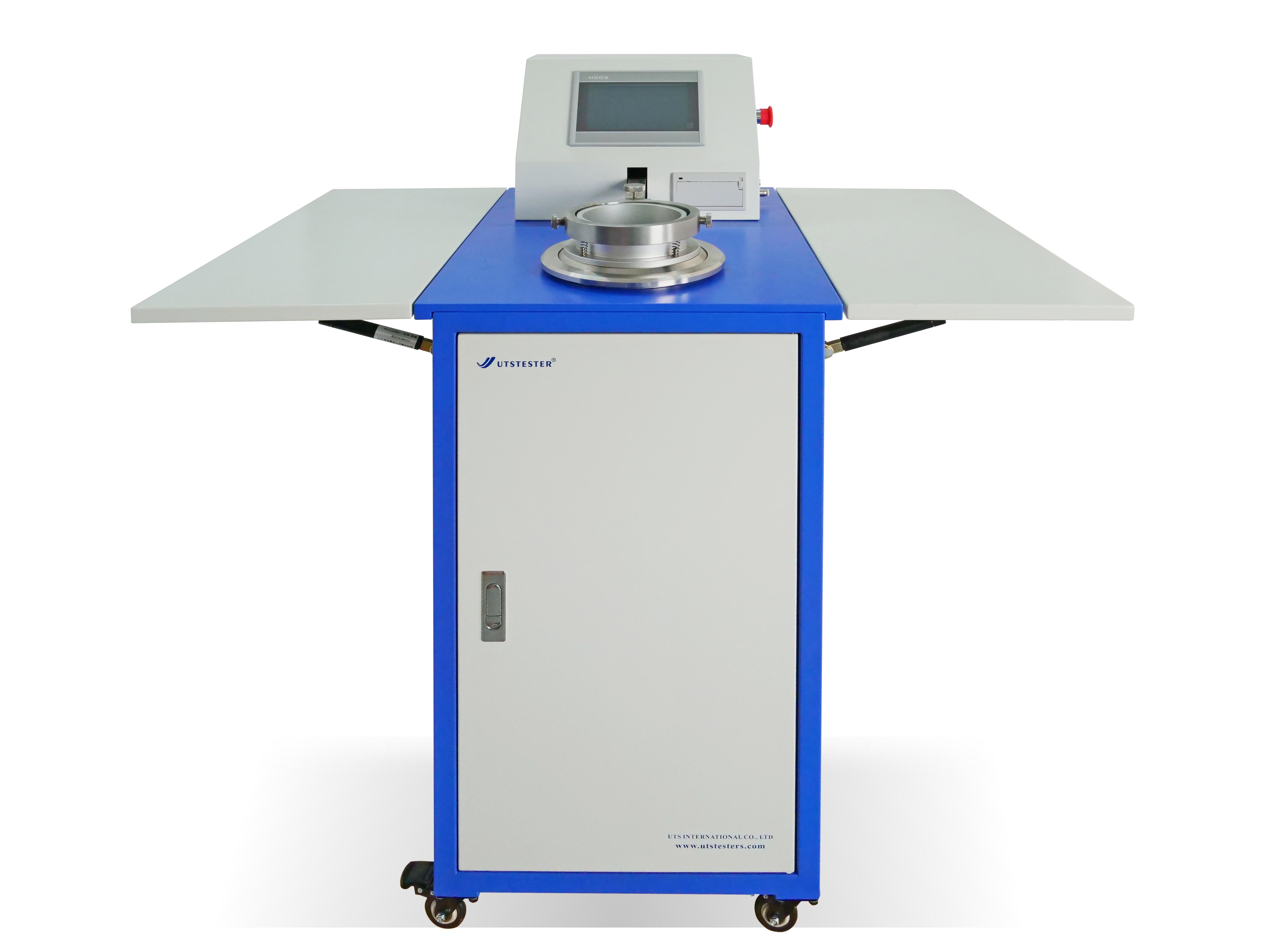
Tensile Strength Tester


Email: hello@utstesters.com

Direct: + 86 152 6060 5085

Tel: +86-596-7686689

Web: www.utstesters.com


阅读全文......

How to Ensure Color Fastness in High-Performance Outdoor Fabrics?

Introduction

In the field of outdoor apparel and gear, color fastness is one of the core indicators for measuring product quality. A high-quality jacket, tent, or outdoor backpack must not only possess functional properties such as waterproofing, breathability, and abrasion resistance, but also retain its vibrant colors after prolonged exposure to sun and rain, frequent washing, and repeated friction. Products with poor colorfastness not only compromise aesthetics but may also pose health risks as dye molecules can migrate through the skin.

I. Colorfastness Testing Parameters for Outdoor Fabrics

According to industry standards such as GB/T 32614-2016 “Outdoor Sportswear—Jackets,” high-performance outdoor fabrics must undergo rigorous testing for the following colorfastness parameters:

1. Lightfastness

Since outdoor products are exposed to UV radiation for extended periods, lightfastness is the primary evaluation criterion. According to GB/T 8427-2019 “Textiles—Color Fastness Tests—Color Fastness to Artificial Light: Xenon Arc,” the lightfastness of outdoor functional fabrics is typically required to reach Level 4 or higher, with high-end products needing to achieve Levels 5–6.

Test Method: Place the test sample alongside a blue wool standard fabric under a xenon arc lamp or carbon arc lamp. The grade is determined by comparing the degree of color change (1–8, with 8 being the best).

2. Wash Fastness

Outdoor apparel requires frequent washing to remove sweat stains and dirt. According to GB/T 3921-2008 “Textiles—Color Fastness Tests—Soap Wash Fastness,” infant and children’s clothing must have a wash fastness (color change) of ≥4, while outdoor functional fabrics, due to harsher usage environments, typically require a rating of 4–5.

Test Method: Sew the test sample to a standard backing fabric, then wash it under specific conditions (typically at 40–60°C, with a specific detergent concentration and mechanical agitation) to evaluate the degree of color change and color transfer.

3. Rubbing Color Fastness

During outdoor activities, fabrics frequently rub against backpacks, rocks, and equipment, making areas prone to friction—such as collars, cuffs, and the seat—particularly susceptible to color loss. According to standard requirements, the rubbing color fastness of outdoor fabrics must be ≥ Grade 4 for dry rubbing and ≥ Grade 3 for wet rubbing.

Test Method: Using a color fastness to rubbing tester, the sample is subjected to a specified number of back-and-forth rubs with dry/wet rubbing cloths under standard pressure, and the results are graded using a gray scale (1–5).

4. Perspiration Fastness

During outdoor activities, heavy sweating occurs, and acidic or alkaline substances in sweat can accelerate dye leaching. According to GB/T 3922-2013, both acid sweat fastness and alkaline sweat fastness must be tested separately.

5. Water/Seawater Fastness

For water sports equipment and swimwear, water fastness (GB/T 5713) and seawater fastness (ISO 105-E02) must also be tested to ensure the fabric does not fade or bleed in wet conditions.


II. Factors Affecting the Color Fastness of Outdoor Fabrics

1. Choice of Dyes

The manner in which dyes bond with fibers directly determines the level of color fastness:

- Reactive dyes: Suitable for cellulose fibers such as cotton and linen; they produce vivid colors but have relatively poor wet rubbing fastness

- Disperse Dyes: Suitable for synthetic fibers such as polyester; require high-temperature, high-pressure dyeing

- Reducer Dyes: The dye becomes insoluble in water after fixation, offering better wet-rub fastness than reactive dyes

- Solution Dyeing: Color masterbatches are added while the fiber is in a molten state; this method provides the best color fastness and is particularly suitable for outdoor applications involving prolonged exposure to sunlight

2. Dyeing Process

- Temperature Control: For dark-colored fabrics, the dyeing temperature may be appropriately increased, but the heating rate must be strictly controlled to prevent uneven dyeing

- Holding Time: Dark-colored fabrics require extended holding times to ensure thorough dye-fiber bonding

- pH Management: Different dyes have optimal pH ranges for dye uptake, which must be precisely controlled

3. Use of Auxiliaries

- Retarders: Dosage must be strictly controlled; excessive amounts will reduce dye uptake and binding strength

- Fixatives: Proper use can improve colorfastness by 0.5–1 grades, but attention must be paid to the compatibility between the fixative type and the dye

- Softeners: Used during the finishing stage, but may react with dyes and reduce colorfastness; dosage must be just right

4. Post-Dyeing Washing

After dyeing, thorough soap washing and rinsing must be performed to ensure the removal of excess dye from the fabric surface. Insufficient washing temperature or duration will result in residual excess dye, severely affecting the final colorfastness.


III. Strategies for Improving Color Fastness in Outdoor Fabrics

Strategy 1:

For products exposed to prolonged outdoor sunlight (such as awnings, boat covers, and outdoor furniture fabrics), we recommend using solution-dyed polyester or nylon fibers. This technique involves adding color masterbatches during the polymer melting stage, making the color an integral part of the fiber and providing exceptional lightfastness and weather resistance.

Strategy 2:

1. Thorough pretreatment: Ensure the fabric is thoroughly desized, scoured, and bleached to create a uniform base for dyeing.

2. Batch addition: For dark-colored fabrics, add auxiliaries and dyes in separate batches to improve absorption.

3. Strict fixation: Control the amount of fixing agent (typically 2–4%), temperature (50–60°C), and time (20–30 minutes).

4. Thorough rinsing: Use a progressive rinsing process, starting with warm water, followed by soapy water, and finally a clear water rinse

Strategy 3

Outdoor fabrics often require functional finishes such as waterproofing, stain resistance, and antimicrobial treatments, but these finishes may react with the dyes. Recommendations:

- Select functional finishes with good compatibility with the dyes

- Control the dosage of finishing agents to avoid excessive cross-linking, which can lead to a stiff handfeel and reduced colorfastness

- For dark-colored fabrics, it is recommended to conduct small-batch trials first to assess the impact on colorfastness


IV. Professional Textile Testing Instruments

- Lightfastness tester: Complies with GB/T 8427 and ISO 105-B02 standards, equipped with a xenon arc light source

- Wash Fastness Tester: Supports multiple washing programs with temperature control accuracy of ±1°C

- Rub Fastness Tester: Capable of dry/wet rubbing tests with adjustable pressure and stroke

- Sweat Fastness Tester: Supports acid/alkaline sweat tests, compliant with GB/T 3922 requirements

For more information on textile testing solutions, please contact the UTSTESTER technical team.

color fastness to rubbing tester


Email: hello@utstesters.com

Direct: + 86 152 6060 5085

Tel: +86-596-7686689

Web: www.utstesters.com


阅读全文......

How to Measure the Slip Resistance and Durability of Safety Shoes?

In the field of industrial safety, a pair of compliant safety shoes not only provides a comfortable wearing experience but also serves as a vital line of defense for protecting workers’ lives. Excessive sole wear is the primary cause of reduced protective performance. This article will provide a detailed overview of professional testing methods for assessing the slip resistance and durability of safety shoes.


I. Slip Resistance Testing

1.1 Why Is Slip Resistance Testing Critical?

Slip resistance is one of the core safety indicators for safety shoes. On wet, oily, or slippery surfaces, the sole’s coefficient of friction directly determines whether the wearer is prone to slipping. According to the requirements of international standards ISO 20345:2022 and EN ISO 20347:2022, safety shoes must pass rigorous slip resistance rating tests to be labeled with the slip resistance (SR) rating on the product.


1.2 Testing Standards

ISO 13287:2019: Test methods for slip resistance of footwear for personal protective equipment, covering inclined platform and coefficient of friction tests

ASTM F2913-2019: Standard test methods for slip resistance of footwear, measuring static and dynamic coefficients of friction on dry and wet surfaces

GB/T 20991-2007: Test Methods for Slip Resistance of Footwear for Personal Protective Equipment

EN ISO 20344:2021: Test Methods for Footwear for Personal Protective Equipment, including requirements for slip resistance testing


1.3 Detailed Test Methods

Method A: Horizontal Traction Method (Coefficient of Friction Test)

This is the most commonly used laboratory test method:

1. Sample Preparation: Secure the entire shoe or sole sample to the test platform

2. Test Surface: Use standard ceramic tiles, stainless steel plates, or flooring materials simulating actual working conditions

3. Surface Conditions: Test on dry surfaces, wet surfaces, and oil-water mixed surfaces (NALS lubricant)

4. Test Procedure: Pull the specimen at a constant speed and measure the friction force between the sole and the test surface

5. Result Calculation: Coefficient of Friction (COF) = Friction Force / Vertical Load

Passing Criteria (based on EN ISO 20345:2022):

1. Ceramic tile + water + NALS surface: Coefficient of friction ≥ 0.19 when the heel is tilted 7°; ≥ 0.22 when the forefoot is tilted 7°

2. Ceramic tile + glycerin surface: Coefficient of friction ≥ 0.31 when the heel is tilted 7°; ≥ 0.36 when the forefoot is tilted 7°


Method B: Inclined Platform Method (Slope Test)

Simulating real-world walking conditions:

- Place the test subject (or mechanical simulator) on an adjustable-angle platform

- Cover the platform surface with standard test materials (ceramic tiles, steel plates, etc.)

- Gradually increase the incline angle until slippage occurs

- Record the critical slippage angle; a larger angle indicates better slip resistance


1.4 Professional Testing Equipment

Modern anti-slip testing primarily relies on the following equipment:

1. Coefficient of friction tester: Equipped with a high-precision force sensor capable of recording changes in friction in real time

2. Inclined anti-slip tester: Compliant with ISO 13287 standards, automatically adjusts the incline angle

3. Environmental control chamber: Ensures testing is conducted under standard temperature and humidity conditions (23°C ± 2°C, 50% ± 5% RH)


II. Durability Testing: Assessing the “Longevity” of the Outsole


2.1 Abrasion Resistance Testing—The “Marathon” for Outsole Materials

Abrasion resistance is a key indicator for measuring the service life of outsole materials. In accordance with the GB/T 3903.2-2008 and ISO 4649:2017 standards, the rotating drum abrasion test method is primarily used.

XM Abrasion Method (GB Method)

This is the most commonly used method in Chinese safety shoe testing:

Test Parameters:

- Abrasive wheel specifications: Diameter (20±0.1) mm × Width (4±0.1) mm, 72 teeth, T12 steel

- Abrasive wheel speed: (191±5) r/min

- Test load: 4.9 N

- Test duration: 20 minutes of continuous abrasion

Result classification:

- First-class product: Abrasion mark length < 10 mm

- Acceptable product: Abrasion mark length < 13 mm


DIN Abrasion Test (DIN 53516)

Widely used for testing rubber soles:

- A rotating abrasive wheel is used to rub the test specimen under a specific pressure

- Test results are expressed as the volume of material removed (mm³)

- Standard shoe soles are considered合格 if wear volume ≤ 100 mm³/1.61 km

- Safety shoes have stricter requirements, typically ≤ 80 mm³


Taber Abrasion Test (ASTM D3884)

Suitable for various sole materials:

- Uses a Taber abrasion tester equipped with an H-18 or CS-17 wheel

- Test cycles are typically 1,000 or customizable

- Evaluates mass loss or changes in thickness


2.2 Flex Resistance Testing — Simulating Walking Fatigue

Soles undergo repeated bending during walking; flex resistance testing simulates this process:

Test standards: ISO 17707, EN ISO 20344

Test Procedure:

1. Secure the sole specimen to the flexing tester

2. Perform repeated flexing at a specific angle (typically 90°) and frequency

3. The test cycle typically consists of tens of thousands of cycles (e.g., 30,000 or 50,000 cycles)

4. Inspect the sole for cracks, fractures, or delamination

Passing Criteria: No through cracks in the sole after testing; peel strength retention ≥80%


2.3 Full Shoe Durability Testing — Real-World Simulation

In addition to material-level testing, full shoe testing better reflects actual usage conditions:

SATRA TM144 Full Shoe Abrasion Test (EU CE Certification Requirement):

- Simulates human walking with a 10 km continuous walking test

- Post-test requirements: Sole tread depth ≥ 1 mm, and slip resistance (COF) ≥ 0.4

- Applicable for professional certification of safety shoes and protective footwear


ISO 20344 Full Shoe Abrasion Test:

- No sole exposure after 20 km of walking

- Thickness retention rate ≥ 70%


III. How to Select the Appropriate Testing Solution?

Select test items based on the intended use of the footwear

1. Kitchen/Food Industry: Focus on slip resistance on oil-water mixed surfaces

2. Construction Sites: Emphasize abrasion resistance and puncture resistance

3. Electronics Workshops: Require additional anti-static and ESD testing

4. Cold Storage/Low-Temperature Environments: Include low-temperature flexing and slip resistance testing


Email: hello@utstesters.com

Direct: + 86 152 6060 5085

Tel: +86-596-7686689

Web: www.utstesters.com


阅读全文......