A temperature flow meter is a precision instrument used to measure gas flow and temperature, widely applied in environmental monitoring, air conditioning systems, industrial manufacturing, and related fields. Its fundamental principle involves detecting temperature variations caused by gas flow to accurately calculate airflow velocity and volume, thereby providing users with precise data support. The instrument's key features lie in high precision and rapid response. Typically equipped with advanced sensors, it can swiftly capture minute changes in flow rate and provide real-time feedback. Its measurement accuracy remains exceptional even under complex environmental conditions, which is particularly crucial for industrial applications requiring strict control of airflow and temperature. Additionally, the operation of temperature flow meters is relatively simple—users only need basic configuration to obtain required data. This user-friendly design makes it easy for both professionals and general users to operate. Many modern models also feature digital displays with intuitive interfaces, allowing users to quickly understand current status and enhance usability. The instrument demonstrates excellent stability, maintaining consistent measurements over extended periods without significant drift, ensuring data reliability. With continuous technological advancements, many devices now integrate data storage and transmission functions, enabling users to review and analyze historical data post-test for informed decision-making. In conclusion, the thermal anemometer has become an indispensable tool in various industries due to its high precision, rapid response, user-friendly operation, and excellent stability. In daily life and professional settings, mastering this instrument not only enhances work efficiency but also provides crucial support for scientific research and engineering applications. As a vital measurement technology in modern science, it plays a pivotal role in technological advancement.
Common faults and treatment methods of constant temperature and humidity test chamber
Delivery Standards for Lab Companion Products
Key Considerations for Equipment Handover to Ensure Proper On-Site Operation:
1. Equipment Installation and Commissioning
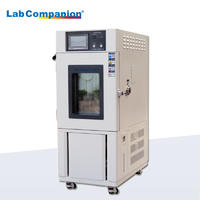
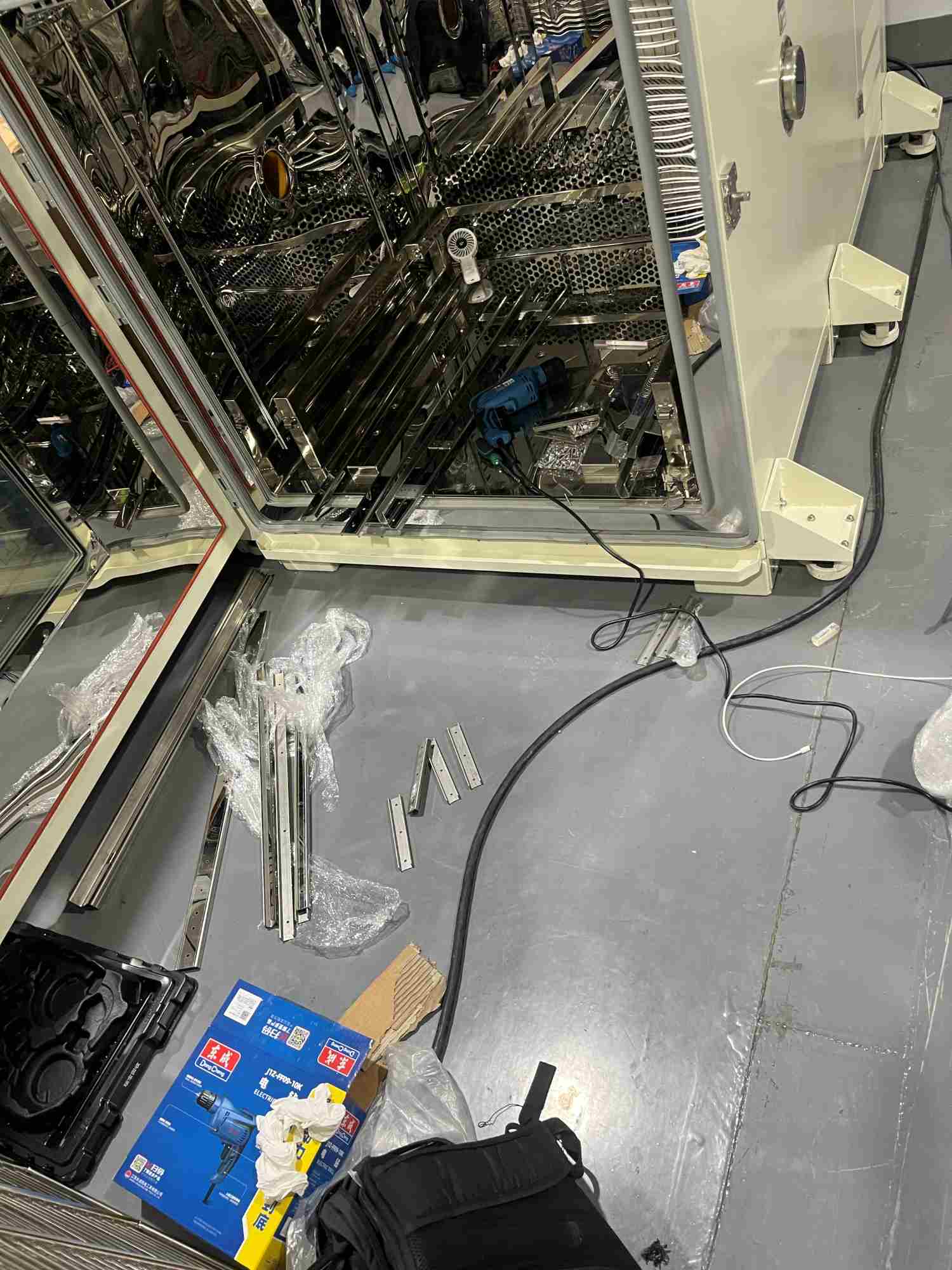
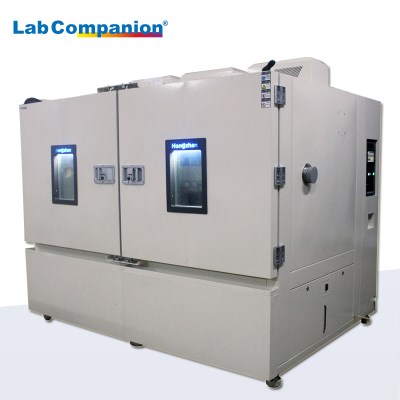
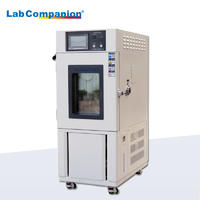
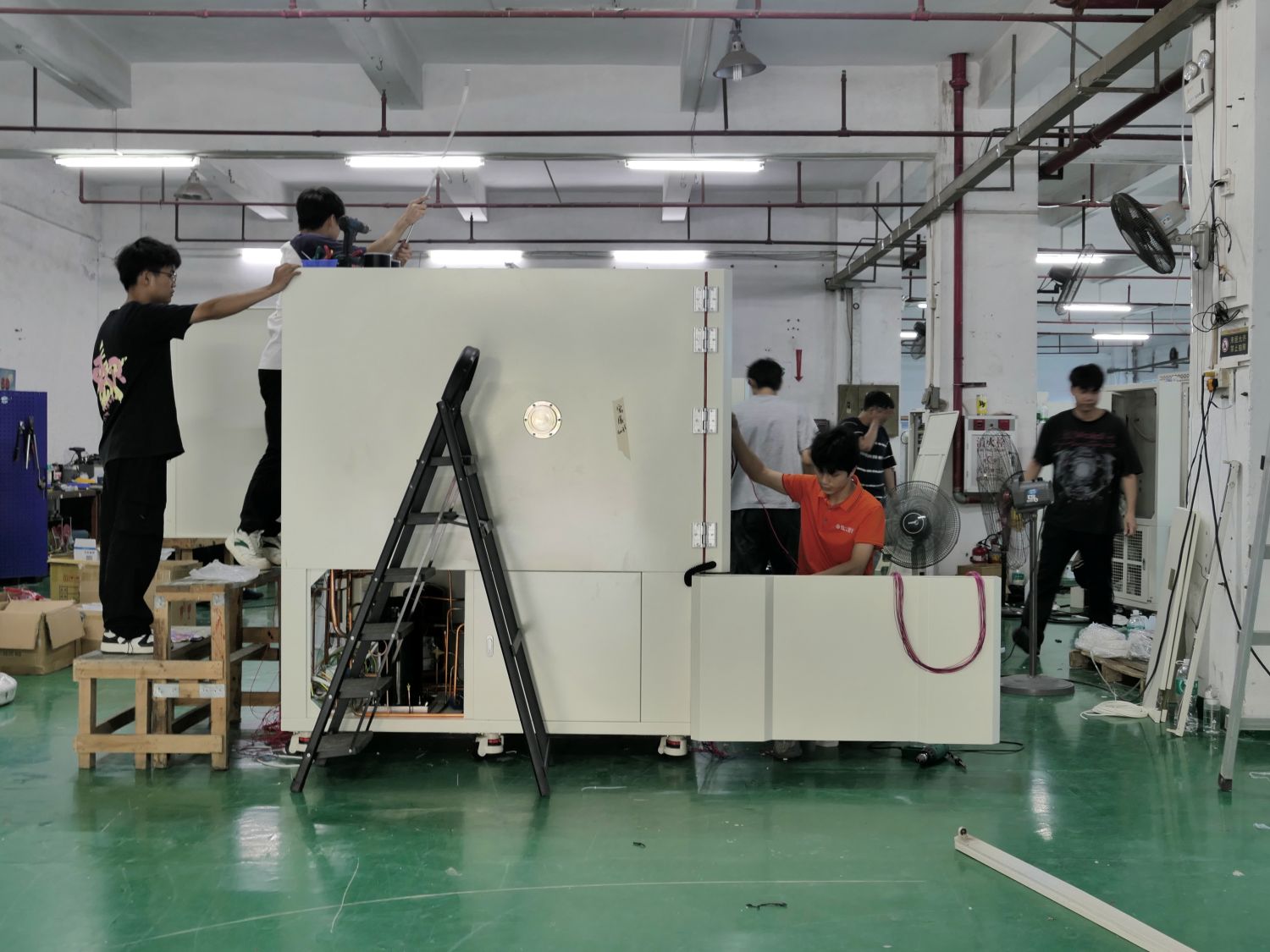
Our company oversees the transportation and electrical connection of the equipment, ensuring proper operation at the customer's site. All installations strictly comply with the standard acceptance criteria for environmental test chambers. We conduct regular third-party inspections to guarantee continuous adherence to industry standards. Should the customer require an inspection report upon acceptance, we can arrange for an accredited third-party agency to perform on-site testing.
2. Customer Technical Training System
2.1 Basic Operation Training
The training covers equipment startup/shutdown procedures, test program configuration, and routine maintenance protocols. Depending on the user's industry (e.g., third-party testing institutions, automotive manufacturers), the training program is customized to align with specific operational scenarios.
2.2 Advanced Maintenance Training
This program focuses on developing users' troubleshooting and repair capabilities, including humidity system failure diagnosis in temperature-humidity test chambers. Training includes key component replacement procedures and precautions to establish an independent maintenance competency system.

3. Technical Support Service Protocol
3.1 Emergency Response Mechanism
A standardized fault response process ensures technical support is initiated within 2 hours of receiving a service request. Common faults are resolved within 48 hours (with alternative solutions negotiated for remote regions).
3.2 Remote Technical Support
Equipped with a professional remote diagnostic system, real-time video communication or dedicated software access enables rapid fault identification.
4. Spare Parts Supply and Maintenance Assurance
4.1 Spare Parts Management Plan
To enhance after-sales support, we establish dedicated spare parts warehouses for high-volume buyers and repeat clients, enabling rapid response to service needs. Each customer is assigned a dedicated profile to optimize resource allocation.
Priority supply channels are reserved for key partners (e.g., CRCC, CETC), ensuring expedited spare parts delivery to minimize equipment downtime.
4.2 Maintenance Service Policy
Free repairs are provided for non-human-induced failures during the warranty period. Post-warranty maintenance services follow a transparent pricing system, with detailed repair plans and cost estimates provided in advance.
Our company maintains a professional after-sales maintenance team and is committed to continuously improving the technical expertise of our service personnel. We anticipate being able to provide on-site support for international customers in the near future.