dyyseo

Avoid Downtime, Cut Costs Smart Maintenance for Smarter Chillers

Screw water-cooled chillers typically operate around 3,000 hours per year, depending on China's climate and geographical conditions. Regular and scientific maintenance is crucial to ensure long-term, reliable operation, extend the lifespan, and reduce operating costs.

Hstars Screw refrigeration unit

Maintenance and Upkeep
Preventive maintenance during operation and inspection involves creating annual and monthly maintenance plans based on actual operating conditions.

Shutdown Procedures
In winter, clean and dry the unit. Open the drain valve to empty the shell-and-tube heat exchanger to avoid freezing. The shutdown sequence is: chiller off - cooling tower fan off - cooling water pump off - chilled water pump off. Special attention to anti-freezing:

1. Drain the evaporator and condenser if the unit is outdoors below 0°C during standby.
2. Interlock the water flow switch with the unit to prevent freezing when the chilled water flow switch malfunctions.
3. Ensure water in the evaporator is flowing or completely drained when charging or discharging refrigerant.


Concentration %

Freezing temperature ()

Concentration %

Freezing temperature ()

Concentration %

Freezing temperature ()

4.6

-2

19.8

-10

35

-21

8.4

-4

23.6

-13

38.8

-26

12.2

-5

27.4

-15

42.6

-29

16

-7

31.2

-17

46.4

-33


The concentration of ethylene glycol is a mass concentration.

Maintenance fault handling Smarter Chillers

Startup Procedures
After a long shutdown, prepare by thoroughly checking and cleaning the Screw refrigeration unit, cleaning the water pipeline system, inspecting the pump, tightening wiring connections, and preheating the compressor. The startup sequence is: cooling tower fan on - cooling water pump on - chilled water pump on - chiller on.


Refrigerant compressor water system Chiller


Common Fault Analysis and Troubleshooting

Fault

Possible Causes

Detection and Troubleshooting Methods

Excessive discharge pressure

Air or non-condensable gases in the system

Bleed gases via the refrigerant port and re-evacuate if needed

Cooling tower fan malfunction

Inspect and repair the fan to restore operation

Excessive suction pressure

See "Excessive suction pressure"

High ambient temperature

Insufficient cooling water flow

Check the cooling water system and increase the water flow.

Low compressor oil level

Check the oil level through the sight glass and add refrigeration oil

Low discharge pressure

Low suction pressure

See "Low suction pressure"

Refrigerant leakage or insufficient charge

Detect leaks and recharge refrigerant

Cooling water temperature too low

Check if the cooling tower capacity is excessively large or if the ambient temperature is too low

Excessive suction pressure

Discharge pressure too high

See "Discharge pressure too high"

Excessive refrigerant charge

Release part of the refrigerant

Liquid refrigerant flowing from the evaporator into the compressor

Chilled water inlet temperature exceeds maximum allowable value

Check and adjust the expansion valve, ensuring its temperature-sensing bulb is in tight contact with the suction pipe and fully insulated from the outside

Low suction pressure

Clogged filter drier

Replace the filter drier cartridge

Expansion valve improperly adjusted or malfunctioning

Adjust to the appropriate superheat temperature, or check if the expansion valve's temperature-sensing bulb is leaking

Insufficient refrigerant in the system

Detect leaks and recharge refrigerant

Chilled water inlet temperature significantly lower than specified value

Insufficient chilled water flow

Check if the pressure in the evaporator's inlet and outlet pipelines is too low, and adjust the chilled water flow rate

Compressor shutdown due to high-pressure protection

Cooling water temperature too high

Cooling tower fan malfunction

Overhaul the cooling tower fan

Incorrect high-pressure shutdown setting

Check the high-pressure switch

Compressor shutdown due to motor overload

Voltage too high or too low

Check that the voltage does not exceed or fall below the rated voltage by ±10%

Discharge pressure too high

Refer to "Discharge pressure too high"

Cooling water temperature too high

Check if the cooling tower capacity is too small

Overload component malfunction

Check the compressor current and compare it with the rated full-load current specified on the compressor

Motor or terminal short circuit

Check the corresponding resistance of the motor and terminals

Compressor shutdown due to built-in temperature protection switch activation

Voltage too high or too low

Check the voltage; it must not exceed the specified range mentioned above

Discharge pressure too high

See "Discharge pressure too high"

Chilled water inlet temperature too high

Compressor built-in temperature protection switch failure

Replace the component

Insufficient refrigerant in the system

Check for fluorine leakage

The compressor shuts down due to low-pressure protection

Drier filter blockage

Replace the drier filter element

Expansion valve failure

Adjust or replace the expansion valve

Incorrect low-pressure shutdown setting

Check the low-pressure switch

Insufficient refrigerant

Recharge the refrigerant

Loud compressor noise

Insufficient compressor refrigerating oil

Check the oil level in the sight glass and add refrigerating oil

The compressor fails to start

Overcurrent relay trips and fuse burns out

Replace the damaged components

Control circuit not connected

Check the wiring of the control system

No current

Check the power supply

High-pressure protection or low-pressure protection

See the section on suction and discharge pressure faults above

Contactor coil burned out

Replace the damaged component

Incorrect power phase sequence connection

Reconnect and swap any two wires

Water system failure, water flow switch open circuit

Check the water system

The operation display shows an alarm signal

Check the alarm type and take corresponding measures

Incorrect setting of start-stop time

Check and reset the settings

Temperature sensor detects temperature exceeding set value

Check and reset

阅读全文......

From DX to Liquid Cooling The Race to a Greener Data Center

Data centers rely on diverse cooling methods, categorized into mechanical refrigeration and natural cooling. Mechanical systems include air-cooled direct expansion (DX), air-cooled chilled water, water-cooled chilled water, and centralized cooling water systems. Natural cooling encompasses fresh air, plate heat exchange, rotary heat exchange, evaporative cooling, and liquid cooling.

Data center cooling

Air-cooled DX Systems are traditional, with indoor units (compressor, evaporator) connected to outdoor condensers via refrigerant lines. Their simple design ensures reliability (no single point of failure). With fluoride pump energy saving (activating below 5°C), PUE in Zhejiang drops from ~1.71 to ~1.43.

Water-cooled Chilled Water Systems use centrifugal chillers and cooling towers, ideal for high heat loads. Winter free cooling via heat exchangers boosts efficiency (PUE ~1.43 in Zhejiang) but requires complex maintenance.


mechanical refrigeration natural cooling


Air-cooled Chilled Water Systems skip cooling towers, suiting moderate loads. They use air-cooled chillers and offer winter natural cooling, with a typical PUE of ~1.48 in Northeast China.

Liquid Cooling directly targets high-density servers, using water, mineral oil, or fluorinated fluids. Immersion cooling (e.g., fluorinated fluids) excels in efficiency, avoiding traditional HVAC limitations.


liquid cooling energy efficiency PUE optimization


Natural Cooling Technologies like fresh air (clean areas), plate exchangers (polluted environments), and evaporative cooling (dry climates) cut PUE by leveraging outdoor cold air, extending energy-saving periods.

Hstars liquid cooling energy efficiency PUE optimization

阅读全文......

What Makes U-Shaped Stainless Steel Tubes the Key to Ice Storage Efficiency

Ice storage technology is a key energy-saving solution for modern buildings. By making ice during off-peak night hours (using lower electricity rates) and melting it for cooling during peak daytime, it significantly reduces air-conditioning operating costs. A critical component in this system? The U-shaped stainless steel heat exchanger tubes inside the storage tank—their design directly impacts efficiency, stability, and lifespan. Let’s break down this essential technology.


ice storage system chiller with thermal storage U-shaped heat exchanger tube


How Ice Storage Units Work & the Tank’s Role

An ice storage system consists of a refrigeration unit, ice storage tank, heat exchanger, and control system. Its core processes:

• Nighttime ice-making:

During low electricity demand, the refrigeration unit cools water or glycol in the tank below freezing, forming ice on the outer surface of heat exchanger tubes to store cold energy.


• Daytime ice-melting for cooling:

When demand peaks, hot return water is pumped into the tank. It exchanges heat with the ice, producing cold water for air conditioning.


The U-shaped stainless steel tubes play dual roles:

• In ice-making: They circulate refrigerants (like glycol) to transfer cold to the surrounding water.
• In ice-melting: They act as channels for cold water circulation, absorbing energy from melting ice.

Advantages of U-Shaped Stainless Steel Tubes

Compared to straight or coiled tubes, U-shaped stainless steel designs offer key benefits:

Efficient Heat Transfer & Uniform Ice Formation
• Larger contact area: The U-bend allows even tube distribution in limited space, boosting ice-making/melting efficiency.
• Reduced dead zones: Proper spacing avoids uneven ice buildup (common with straight tubes), ensuring uniform growth.

Freeze Expansion Resistance & Stress Relief

• Flexible structure: The U-bend absorbs stress from ice expansion via minor deformation, preventing cracks in low temperatures.
• Fewer welds: One-piece molding (one-piece construction) reduces leak risks from straight tube joints.

Corrosion Resistance & Longevity

• Stainless steel (304 or 316L) outperforms carbon steel in resisting chloride corrosion—ideal for long-term contact with water, glycol, and cold.
• Smooth surfaces minimize scale buildup, cutting maintenance needs.

Hstars anti-corrosion Heat Exchanger


Key Specifications & Selection Tips

• Material: 316L stainless steel suits high-chloride water (e.g., coastal areas) for better pitting resistance.
• Wall thickness: 0.8–1.5mm, based on pressure (atmospheric/pressurized systems) and freeze resistance.
• Design: DN15–DN25 diameters with spacing balancing efficiency and ice expansion room; U-bend radius ≥3x pipe diameter (to reduce flow resistance).
• Installation: Factory-assembled modular tube sets for on-site lifting; nylon/stainless steel brackets prevent vibration wear.
Real-World Case & Benefits
A commercial complex with an 800m³ tank (316L U-tubes, DN20, 1.2mm wall) achieved:


• 15% higher storage efficiency, 8-hour daytime cooling.
• Zero corrosion leaks over 10 years.

• Annual electricity savings of ~¥450,000, with a <4-year payback.


Future Trends

• Coatings: Anti-corrosion/nanoscale anti-scale coatings for longer life.
• Smart monitoring: Sensors tracking ice thickness and tube status to optimize storage.
• Lightweight design: Thin-walled high-strength stainless steel (e.g., duplex steel) reduces tank load.


U-shaped stainless steel heat exchanger tubes, with their efficiency, freeze resistance, and durability, are now the top choice for ice storage tanks. As materials and manufacturing advance, they’ll drive wider adoption in green buildings and district cooling—critical for carbon neutrality goals.


阅读全文......

Core Power for Crystal-Clear Water The Next Generation of Shinhoo Pool Pumps

A swimming pool’s long-lasting clarity depends on more than just routine cleaning—it relies on the strength and stability of the pump at its heart. When facing extreme climates and harsh environments, only a pump built with durability, stable output, and extended service life can ensure water remains consistently pure. Shinhoo’s latest pool pumps, designed for demanding conditions, combine advanced engineering with innovative materials to provide a complete solution for pool water management.


Comprehensive Protection System

Shinhoo pool pumps are engineered with an IP55-rated fully sealed motor, capable of withstanding high-pressure water jets from any direction. Resistant to salt mist, heavy rain, and airborne dust, the pump is shielded by an integrated protective housing made of high-strength materials. This housing not only absorbs physical impact but also blocks UV damage, effectively extending the pump’s service life by up to 300%—outperforming industry standards.


Durable Hydraulic System

At the core of the overcurrent system is a fully polymer-based hydraulic module, eliminating metal-to-water contact and removing the risk of rust. High-performance composite materials have been tested with 2000 hours of salt spray exposure and 5000 corrosion cycles, ensuring complete resistance against aggressive water chemistry, including sodium hypochlorite oxidation. This level of protection guarantees water quality that meets drinking water standards.


Long-Life Sealing Technology

The pump employs silicon carbide seals with a Mohs hardness rating of 9.5—five times more wear-resistant than standard seals. An automatic dynamic compensation structure maintains precise sealing gaps, enabling over 10,000 hours of leak-free operation.


High-Efficiency Copper Core Motor

Every Shinhoo pool pump is powered by a 100% copper winding motor, offering 40% higher conductivity than aluminum alternatives. This results in a 25°C reduction in operating temperature and 30% lower energy losses. Built with vacuum varnish impregnation, F-class insulation (resistant to 155°C), and reliable performance in temperatures ranging from -20°C to 60°C, the motor is designed for consistent operation in all conditions.


Intelligent Operation and Maintenance

Shinhoo pool pumps integrate user-focused features that simplify daily maintenance:

A 3L oversized strainer basket with a 200-mesh fine filter captures microscopic debris, reducing cleaning frequency by 50%.

A self-priming lift of 2.5 meters allows flexible installation for underground or rooftop pools.

An ergonomic handle ensures single-handed installation, increasing efficiency by 60%.


Smarter, Greener Pool Pumping

Shinhoo’s innovation in pool pump technology also extends to digital control and energy savings. The digital pool pump options enable precise performance monitoring, while variable speed pool pump models allow users to optimize flow rates according to pool size, usage, and seasonal needs. By adjusting motor speed, these pumps consume significantly less power, making them the ultimate energy-efficient pool pump solution.


Where advanced material science meets precision engineering, Shinhoo delivers pumps that serve as the foundation of a healthy pool ecosystem. With unmatched durability, intelligent features, and sustainable efficiency, Shinhoo pool pumps are built to protect crystal-clear water—season after season, year after year.

阅读全文......

What are the Environmental benefits of T6061 Forged Wheels?

T6061 forged wheels offer significant environmental advantages, making them a top choice for eco-conscious drivers and manufacturers committed to sustainable development. Their lightweight construction enhances vehicle efficiency by reducing energy consumption—whether in traditional gasoline-powered cars or modern electric vehicles (EVs). By improving fuel economy and reducing rolling resistance, these wheels help lower carbon emissions, contributing to cleaner air and a healthier planet.


Unlike conventional cast wheels, which rely on energy-intensive melting and cooling processes, the forging of T6061 aluminum alloy consumes far less energy and generates fewer greenhouse gas emissions during production. This makes forged wheels a more sustainable manufacturing option. Additionally, T6061 aluminum is 100% recyclable, retaining its structural integrity even after multiple recycling cycles. This closed-loop system ensures that old wheels can be repurposed into new high-performance components, minimizing waste and reducing the need for raw material extraction.


For automakers and consumers alike, T6061 forged wheels represent an eco-friendly upgrade without compromising strength, durability, or performance. As the automotive industry shifts toward greener solutions, adopting sustainable materials like T6061 aluminum supports global efforts to combat climate change. By choosing forged wheels, drivers not only enhance their vehicle’s efficiency but also take an active step toward reducing their carbon footprint.


Using T6061 forged wheels is more than just a performance decision—it’s a commitment to environmental responsibility. As we strive for a more sustainable future, every small change, from lightweight wheel technology to recyclable materials, plays a crucial role in preserving Earth’s resources for generations to come.

Rimpower forged car wheels


Rimpower provide customized forged wheels,like monoblock, two-piece and three piece which could fit different cars. Don't hesitate to send the enquiry.


阅读全文......

What Is a Telescopic Belt Conveyor and How Does It Work?

In busy logistics hubs and warehouses, moving goods efficiently is a top priority. One tool that’s become increasingly important in this process is the telescopic belt conveyor. If you've ever seen a long conveyor sliding in and out of a truck like a giant mechanical arm, you've likely seen one in action. But what exactly is it, and how does it actually work?


Let’s break it down in a way that combines technical understanding with real-world application.


A Simple Definition

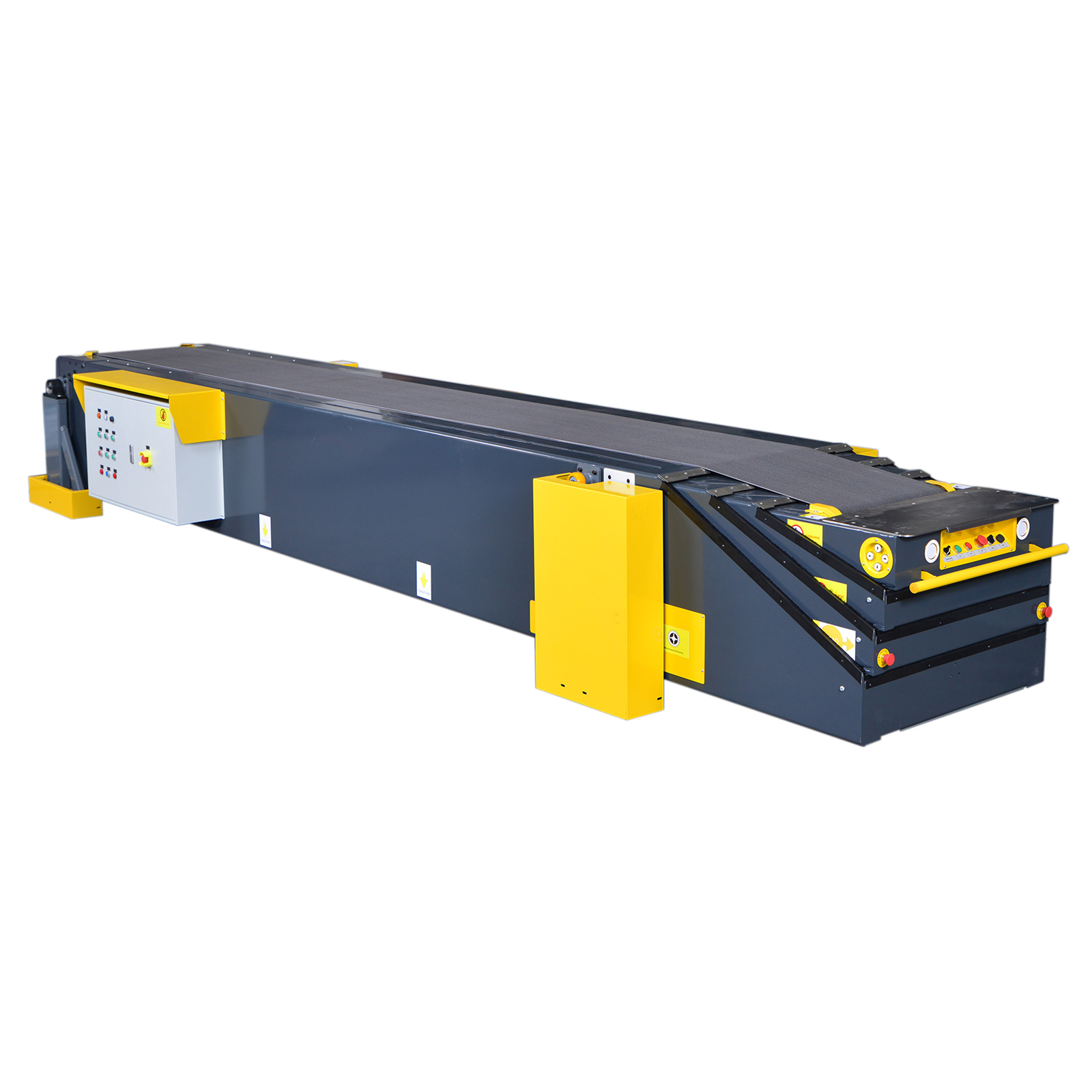
At its core, a 4 extension loading and unloading conveyor is a kind of conveyor system that can extend and retract, much like a telescope. This movement allows it to reach inside trucks or containers for easier loading and unloading. The design significantly reduces manual handling, improves safety, and speeds up operations.


In more technical terms, it's a multi-section conveyor where the nested sections slide out to extend the length. The belt moves continuously along these sections, even as the conveyor extends or contracts.


How Does It Work?

Now let’s get into the mechanics—without sounding like a textbook.


Imagine you’ve got a truck backed up to your dock. Instead of sending in workers to carry boxes one by one, you roll up the telescopic conveyor. At the press of a button (or using manual control in simpler models), the conveyor slides forward, reaching deep inside the truck.


The moving belt—usually made from durable rubber or PVC—carries boxes from the vehicle right into the warehouse or the other way around. Some models even let you adjust the height or tilt the conveyor to match different truck sizes or dock levels.


And when the job’s done? Just retract the conveyor back like a telescope and roll it away. Simple, right?


Key Features (from a Practical Viewpoint)

While tech specs matter, most warehouse managers care more about how it helps:

Adjustable length – So you can handle different truck sizes.

Height control – For aligning with containers or dock heights.

One-person operation – Reduces manpower costs.

Fast belt movement – Speeds up loading and unloading dramatically.

Safety mechanisms – Like emergency stop buttons and anti-slip belts.


Where Is It Used?

You’ll find mobile telescopic belt conveyors in a lot of places:

Logistics centers shipping thousands of parcels daily

Online retail fulfillment hubs (think e-commerce giants)

Courier and express parcel services

Airports, for baggage handling

Warehouses and storage facilities


Basically, if there are goods constantly coming in and going out, a telescopic conveyor makes the job smoother.


Why Are Telescopic Belt Conveyors So Popular?

Now, let’s get real. Time is money—and in logistics, wasted time equals wasted revenue. A conveyor that extends into a truck eliminates time-consuming, back-breaking labor. Not to mention, it cuts down the chance of workplace injuries.


From a formal point of view, telescopic conveyors are recognized as effective solutions for enhancing logistics productivity, operational safety, and space optimization.


And let’s not forget the long-term cost savings. Fewer injuries mean fewer insurance claims. Faster operations mean quicker turnaround. That’s good news for your bottom line.


Whether you’re running a small warehouse or managing a large distribution center, investing in a telescopic belt conveyor can seriously streamline your operations. It's not just a piece of equipment—it’s a way to modernize your entire loading process.


So next time you’re stuck waiting on slow, manual unloading? Just imagine how a telescopic conveyor could slide right in and change everything.
Telescopic Belt Conveyor

阅读全文......

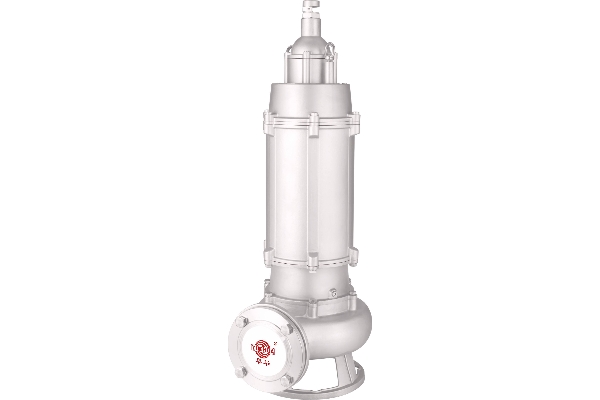
Why Use an Explosion-Proof Submersible Pump?

In environments like the petrochemical industry, coal mines, and underground engineering, where flammable and explosive media are present, an explosion can cause significant damage and loss to life and property. However, there's one piece of equipment that can ensure our safety: the explosion-proof submersible sewage pump. Explosion-proof submersible sewage pumps play a vital role in flammable and explosive environments. When the explosive gas mixture inside the motor explodes, the pump's flameproof casing withstands the impact and high temperatures, preventing damage. Furthermore, internal flames cannot penetrate the casing's mating surfaces and ignite the external explosive atmosphere, thus preventing the fire from spreading and increasing the risk. Explosion-proof submersible sewage pumps provide a strong safeguard for the safety of life and property. Currently, there are numerous brands of explosion-proof submersible sewage pumps on the market, and their quality varies widely. Therefore, when purchasing, be sure to choose a reputable brand and ensure that its quality meets relevant standards.


Today, I'd like to recommend several explosion-proof submersible sewage pumps.


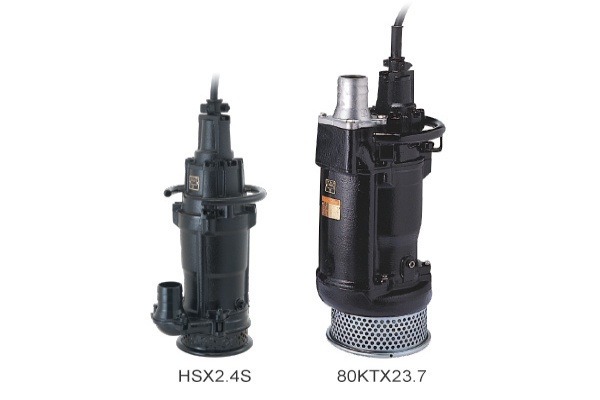
1. Tsurumi KTX Series Explosion-Proof Submersible Sewage Pump

This pump has a maximum diameter of DN100 and a maximum power of 11 KW, making it suitable for applications with low flow and head requirements.


Discharge Bore(mm):50 - 100

Motor Output(kW):0.4 - 11

The HSX/KTX series are submersible explosion-proof drainage pumps. Equipped with high-chromium cast iron impellers excellent in wear resistance, they are built to heavy-duty specifications. The HSX-series pump is single-phase powered, and the shaft-mounted agitator prevents air locks, which tend to occur in vortex or semi-vortex pumps. The KTX-series pump is three-phase powered and built to high head specifications, and the slim design allows the pump to be placed in a confined space.


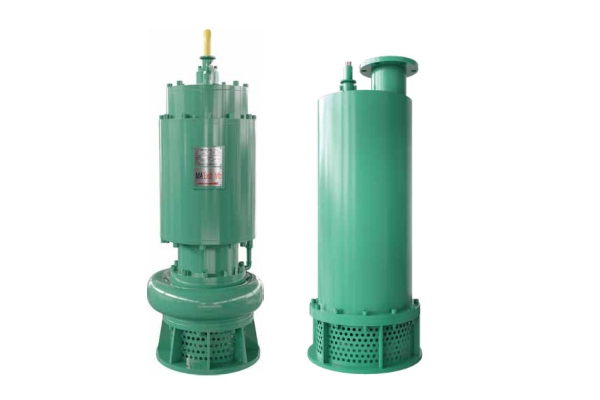
2. Domestic BQS Mining Flameproof Submersible Pump

This pump has a maximum flow rate of 2000 m³/h, a maximum head of 800 m, and a maximum power of 315 KW. Customizable power options are available, making it suitable for high flow rates, high heads, and drainage in most harsh working conditions.

3. Domestic WQB Series Ordinary Explosion-Proof Submersible Sewage Pump

This pump has a maximum power of 200 KW and a maximum flow rate of 3000 m³/h. It can be used in chemical plant environments requiring standard explosion-proof conditions, such as stormwater and domestic water drainage.

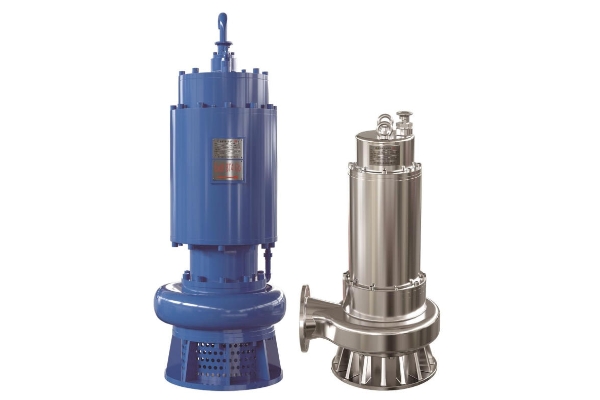
4. Domestic BWQG Series Stainless Steel Explosion-Proof Submersible Sewage Pump

This pump features a stainless steel casing and can be used in corrosive environments where explosion protection is required. It can also be equipped with a mixing device to shred impurities in the medium before discharging them, preventing impeller entanglement.

阅读全文......

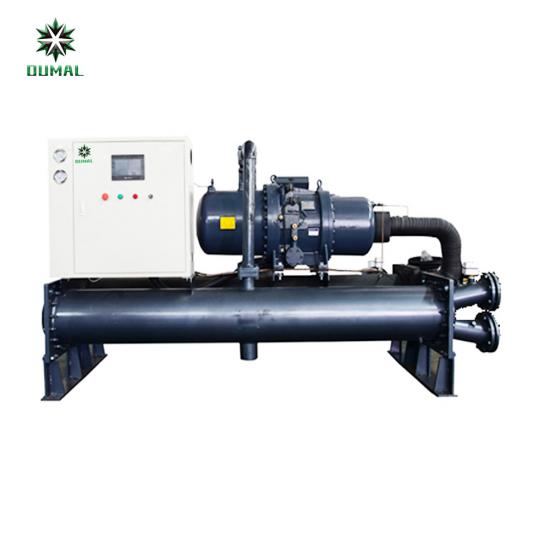
How to Avoid Common Mistakes When Choosing a Water Cooled Screw Chiller Factory

Have you ever picked a water cooled screw chiller factory just because it was cheap or someone told you to? Many people do this and end up paying more or having problems with their system. You need a partner you can trust, not just any supplier. Choosing carefully helps you stop breakdowns and expensive fixes. Go slowly and follow steps to keep your money safe and make sure your building works well.


Key Takeaways


Find out what cooling your building needs. Pick a chiller size that fits. Make sure the setup works well every day.


Look at the factory's certifications. Check if people trust the factory. This helps you know it is safe and good quality.


Pick chillers made with strong materials. Make sure they are tested well. This helps them last long and save energy.


Choose a factory with good help after you buy. They should answer questions fast. Manuals should be easy to read. Warranties should be strong. This keeps your system working.


Do not pick just by price. Think about all costs. Energy, fixing, and repairs matter too. This gives you better value.


Requirements Assessment


Cooling Capacity
First, you need to know how much cooling your building needs. Check the size of your building and the heat from your machines. Think about what kind of work happens in your building. These things help you pick the right chiller size and setup. If you pick a water cooled screw chiller, make sure it can handle your daily needs. This helps it work well every day.


Look at the temperature range you need for your system. Most chillers work best with a Delta T of about 15°F. Keep the chilled water above 39°F so it does not freeze. This also helps you avoid extra costs. The type of compressor matters too. Screw and centrifugal compressors work differently. They change how your chiller handles different loads.


You should think about how many chillers you need. Having more than one chiller gives you backup. It also helps your system work better when you do not need full power. Make sure your pumps keep water moving at the right speed and pressure. This helps your water cooled screw chiller work well and last longer.

Tip: Think about the future. If you might need more cooling later, pick a chiller system that can grow with you.


Budget and Timeline

Set your budget before you start looking. Do not just count the chiller price. Add the cost for installation, cooling towers, pumps, and maintenance. Energy efficiency is important. A more efficient water cooled screw chiller may cost more at first. But it saves you money over time.

Think about how long your project will take. Some chillers take longer to get, especially if you want special features. Make sure the factory can deliver on time. This helps you avoid delays.

Check the water quality at your building. Bad water can hurt your chiller and make it less efficient. Plan for water treatment if you need it. Always check your needs to make sure the chiller is right for you.

water cooled screw chiller factory


Water Cooled Screw Chiller Factory Research


Credentials and Compliance
When you pick a
water cooled screw chiller factory, check their credentials. These show if the factory follows the rules and meets standards. If you skip this, you might get a chiller that breaks or causes trouble with the law. A good water cooled screw chiller factory will show you their certifications.

Here is a table of important certifications and standards you should look for:


Certification / Standard

Relevance / Purpose

ISO 9001

Quality management system

ISO 14001

Environmental management system

Eurovent Certified Performance

Verified chiller performance and efficiency

CE

European health, safety, and environmental protection standards

RoHS

Restriction of hazardous substances

UL Listing

Safety certification for electrical components

ATEX Compliance

Safety in explosive atmospheres

EU Directives (Ecodesign, F-Gas)

Energy efficiency and refrigerant environmental regulations


You should always ask the water cooled screw chiller factory to show these certifications. Factories with these papers care about safety, quality, and the environment. This helps you avoid problems like broken equipment or getting in trouble with the law.


Note: Checking credentials and compliance keeps you safe from many risks. You do not buy from bad vendors, so your building and money stay safe.


Checking compliance helps you in other ways too:


You are less likely to get a chiller that breaks safety rules.


You avoid delays from failed checks or denied entry.


You lower the chance of fines or legal trouble.


You make sure your water cooled screw chiller factory uses safe materials.


Experience and Reputation

You should check how much experience the water cooled screw chiller factory has. A factory with many years knows how to fix problems and make good chillers. Ask how long they have made chillers and how many jobs they have done.


A good reputation means customers are happy and trust the factory. You can check this by:


Reading reviews and stories from other buyers.


Asking for examples of past projects.


Seeing if the factory has worked with big companies.


A good water cooled screw chiller factory can also make special chillers for you. They will listen to what you need and give you choices that fit your building. Custom work shows the factory understands different jobs and can help with special needs.


Tip: Pick a water cooled screw chiller factory that has both regular and custom chillers. This gives you more choices and better results.


When you choose a factory with good credentials, experience, and a strong reputation, you lower your risks. You get a chiller that works well, lasts longer, and follows all the rules. This step helps you build a safe and strong cooling system for your business.


Chiller Selection and Product Quality


Manufacturing Process
When you pick a water cooled screw chiller, look at how the factory makes it. Good chillers start with smart design and strong engineering. The team learns what you need and plans for good performance and long life. They choose strong materials like stainless steel and copper for important parts. Skilled workers build the evaporator, condenser, compressor, and refrigerant circuit with care.


Here are the main steps in making a chiller:


  • Design and engineering for your project’s needs.
  • Careful material selection for durability.
  • Precision manufacturing of all main components.
  • Assembly with expert wiring and plumbing.
  • Rigorous testing for leaks, performance, and safety.
  • Custom adjustments to match your requirements.
  • Safe delivery and proper installation.


A good chiller uses water to take heat and move it to the refrigerant. The condenser sends this heat to a cooling tower. Fans blow the heat into the air. Screw chillers use helical rotors in the compressor to pressurize refrigerant well. This design helps with high tonnage and keeps chiller performance steady.

Tip: Always ask to see how the factory tests chillers. Good testing makes sure your chiller works well and meets your needs.


Specifications and Innovation

You should check the chiller’s specifications and look for new features that help it work better. Top factories use advanced twin-screw compressors for better stability and less leakage. They add smart oil management and special heat exchangers to make chiller performance and energy savings better.


Modern chillers have:


Stepless capacity control for matching loads.


Microcomputer controls with touch screens and warning logs.


Safety features like anti-freezing and pressure protection.


Options for building management system integration.


Some chillers use special copper tubes with spiral grooves to boost heat transfer by up to 30%. These upgrades help you get better chiller performance and lower costs. Top brands focus on efficiency, reliability, and long life. With good care, your chiller can last 15 to 20 years or more.

Note: Regular maintenance, water treatment, and daily checks help your chiller last longer and work well.


After-Sales Support


Warranty and Maintenance
You need good after-sales help to keep your system working well. A strong warranty helps you feel safe. It pays for repairs or new parts if something breaks soon after you buy it. Always check what the warranty covers and how long it lasts. Some warranties only pay for parts, but others pay for labor and service too.


Regular maintenance is very important for your system. If you do routine checks, you can stop problems like blocked condenser lines or dirty tubes. Maintenance teams clean cooling towers, check pumps, and watch system pressures. These steps help you find problems early and avoid big breakdowns. You also lower the chance of damage and help your equipment last longer.


Places that do regular maintenance have fewer problems and longer-lasting equipment. You save money by stopping emergency repairs and keeping your system working well.


A system that gets good care also stops things like bacteria growth and rust. These problems can make your system stop and work badly. If you follow a maintenance plan, your system stays safe and steady.


Technical Support

You should get great technical support from your supplier. Good support starts with clear guides and manuals. These papers help you set up and use your system the right way. Many people like having both paper and digital copies so they are easy to find.


Fast and expert help is very important. You want a team that answers your questions quickly, sometimes in minutes or hours. Most people want a reply to their emails in four hours. Quick answers make you happy and stop bigger problems. If you get help fast, you can fix things before they get worse.


24/7 expert help during setup and use


Free support and spare parts while under warranty


Special advice for your own needs


Help with future orders or upgrades


Fast support makes you trust your supplier and want to stay with them. Slow answers can make you look for a new supplier.

If you pick a supplier with strong technical support, you feel safe. You know help is always there, and your system will keep working right.


Common Mistakes in Selection


Price-Only Decisions
Some people pick a water cooled screw chiller factory just because it is cheap. This can cause problems and cost more later. Many buyers forget about energy bills and fixing costs. You should think about all the money you will spend, not just the first price.

Here is a table that shows what can happen if you only look at price:


Financial/Operational Impact

Details

High Startup Cost

Industrial chillers cost a lot at first. This scares buyers who only care about price.

Overlooked Operational Costs

If you ignore energy and fixing costs, you pay more later.

Risk of Inefficient Equipment

Less efficient chillers use more energy and cost more over time.

Higher Total Cost of Ownership

Picking the wrong chiller means more repairs and bad operation.


Better chillers may cost more when you buy them. They work better and need less fixing. If you only care about price, you might get a chiller that breaks a lot and uses too much energy. Always look at how much you will spend over many years.


Overlooking Support

You need good help after you buy your chiller. Some people forget to check if the supplier gives support. Without help, it takes longer to fix things and find new parts. This means your chiller stops working and costs more to repair. A good supplier gives easy-to-read manuals and quick help. They offer regular checks and fixing plans. Ask about the warranty and how fast they answer questions.


Good support helps you fix problems fast and keeps your chiller working well.

Tip: Pick a supplier that gives help all day and night. Make sure they have clear plans for fixing and checking your chiller.


Ignoring Reputation

Do not forget to check if the water cooled screw chiller factory is trusted. Good factories follow strict rules and test their chillers well. You can check this by looking at their papers and seeing how they build chillers. Trusted factories use special rooms to test chillers and give reports to buyers.

Here are steps to check if a factory is good:


  • Look at their technical papers and data sheets.
  • Check how they build chillers and main parts.
  • Make sure safety devices and systems work right.
  • Test how the chiller works with different loads.
  • Check if the shipment is ready and labeled right.


A trusted factory makes sure your chiller works for you. You save money and avoid mistakes by picking a supplier with a good name.

You can stop expensive mistakes if you follow clear steps. Doing good research and planning helps your system fit your needs. This is true for places like breweries and wineries. Real-life stories show that picking the right system saves energy and works better. It also helps your business stay strong for a long time. If you make smart choices, your system will work well and cost less for years. Take every step carefully so your business gets the best results.


FAQ


What is the most important factor when choosing a chiller factory?
You should focus on the factory’s experience and reputation. A trusted factory delivers reliable products and strong support. Always check reviews and ask for references before you decide.

How do I know if a chiller factory meets safety standards?
Ask the factory to show you their certifications. Look for ISO, CE, and UL marks. These prove the factory follows safety and quality rules. Never skip this step.

Why does after-sales support matter for chillers?
You need fast help if your chiller stops working. Good support means quick repairs and easy access to spare parts. This keeps your system running and protects your investment.

Can I customize a water cooled screw chiller for my building?
Yes, many factories offer custom solutions. You can ask for special sizes, controls, or energy-saving features. Tell the factory your needs so they can design the right system for you.


阅读全文......

How to Choose the Right Chiller for Your Injection Molding Machine

Choosing the right chiller helps your injection molding work well. You must match cooling power, temperature control, and chiller type to your machine. First, learn what cooling you need and what kind of injection molding machine you have. Look at energy efficiency when you check injection molding chillers. These steps help you save money and keep production running smoothly.

key Takeaways

  • Find out how much heat your machine makes. Add a little extra to be safe. Pick a chiller that can cool enough.

  • Pick the best chiller type for your needs. Air-cooled chillers are easy to set up. Water-cooled chillers work better if you have water.

  • Keep the temperature steady. This helps you make good parts and waste less.

  • Make sure your chiller is the right size. Install it the right way. This helps stop problems and keeps things working well.

  • Talk to experts if you need help. Use tools like calculators to help you pick the best chiller.


Cooling Needs
You need to know how much heat your injection molding machine creates. The heat load tells you how much cooling power you need. When you melt plastic, the machine produces a lot of heat. You must remove this heat quickly to keep the process stable. If you choose a chiller that cannot handle the heat load, your parts may not form right. You can ask your machine supplier for the heat load value. You can also use online calculators to estimate it. Always add a safety margin to your calculation. This helps you avoid problems during peak production.

Machine Size & Cycle Time

The size of your machine and how fast it runs both affect your cooling needs. Large machines need more cooling. Machines with short cycle times also need more cooling because they work faster. If you run many cycles per hour, your chiller must keep up. You should check the tonnage of your machine and the average cycle time. Make a list of all machines if you use more than one. This helps you pick the right injection molding chillers for your setup.

Tip:Write down your machine size and cycle time before you start looking for a chiller. This makes the selection process easier.


Ambient Conditions
The temperature and humidity in your factory change how well your chiller works. Hot or humid air makes it harder for the chiller to cool your machine. If your factory gets very hot in summer, you may need a bigger chiller. You should also think about where you will place the chiller. Some chillers work better indoors, while others work better outside. Always check the chiller’s performance in your local climate.


injection molding chillers

Air-cooled vs.Water-cooled

There are two main types of injection molding chillers. One type is air-cooled. The other type is water-cooled. Air-cooled chillers use fans to move air over coils. This helps take away heat from the machine. You can put air-cooled chillers almost anywhere. They do not need extra water to work. These chillers are good if water is costly or hard to find. Water-cooled chillers use water to get rid of heat. You must have a steady water supply for them. Sometimes, you also need a cooling tower. Water-cooled chillers are usually quieter. They can last longer than air-cooled chillers. They work best in big factories with good water systems.

Tip:Pick air-cooled chillers if you want an easy setup. Choose water-cooled chillers for better efficiency and if you have water.

Central vs. Portable

You can choose central or portableinjection molding chillers. Central chillers cool many machines at the same time. You put them in one place and connect all your machines. This saves space and makes it easier to fix them. Portable chillers can move from one machine to another. Use them if you only need to cool one machine. They are good if you want to move them around.

Hydraulic vs. Electric Machines

The kind of machine you have is important. Hydraulic machines use oil to move their parts. They make more heat than electric machines. These machines need stronger chillers. Electric machines use motors and make less heat. You can use smaller chillers with electric machines. Always match the chiller to your machine type for the best results.

Note: Look at your machine’s manual to see which chiller is best.

Selection Criteria

You need a chiller that can cool your machine enough. Cooling capacity is how much heat the chiller can take away in a certain time. If the chiller is too small, your machine might get too hot. This can make your molded parts turn out wrong. Always check your injection molding machine’s heat load. Add a little extra to be safe during busy times. Most suppliers show cooling capacity in tons or kilowatts. Make sure the chiller meets or goes above what you need.

Tip:Write down your machine’s heat load and compare it to the chiller’s rated capacity before you buy.

Maintenance and Uptime

Taking care of your chiller is important for smooth work. Water-based systems often need less cleaning because they do not get dirty as fast. Easy maintenance means your machines can run longer without stopping. Good chillers have strong parts and smart controls. These help you stop breakdowns and keep your factory working. Your maintenance team should check, clean, and fix the chiller often. This keeps your injection molding chillers working well and cuts down on stops.

Maintenance teams must:

  • Fix chillers fast when there is a problem.
  • Do regular checks to stop problems before they start.
  • Work with operators to solve issues quickly.
  • Follow safety rules and keep good records.
  • Learn about new systems and controls.


Sizing & Installation


Sizing Steps

You need to size your chiller correctly to keep your machines running well. Start by finding the heat load for each machine. Write down the number you get from your machine manual or supplier. Add up the heat loads if you have more than one machine. Always include a safety margin of 10-20% to cover extra heat during busy times.

Follow these steps to size your chiller:

  1. List all machines that need cooling.

  2. Find the heat load for each machine.

  3. Add the heat loads together.

  4. Add a safety margin.

  5. Choose a chiller with a cooling capacity that matches or exceeds your total.


Installation Needs

Proper installation keeps your chiller working well. Place the chiller on a flat, strong surface. Make sure there is enough space around it for air flow and maintenance. Connect all pipes and wires as the manual shows. Use clean water if you have a water-cooled chiller. Check for leaks after you finish.

You should also:

  • Keep the chiller away from dust and heat sources.

  • Make sure power supply matches the chiller’s needs.

  • Train your team on how to use and check the chiller.


It is smart to look at different chillers before you buy. First, check the main features of each one. Look at cooling capacity, temperature control, and condenser type. Make a list of brands that match what you need. You can use a table to keep your notes organized:


BrandA 10 tons ±0.1℃ Air-cooled 2 years
Brand B 12 tons ±0.2℃ Water-cooled 3 years
Brand C 10 tons ±0.1℃ Air-cooled 1 year

Read reviews from other people who use these chillers. Ask if they are reliable and if spare parts are easy to find. This helps you avoid trouble later.


Budget & Quality

You need to think about both price and quality. Do not pick the cheapest chiller if it will not work well. Cheap chillers may break more or use more energy. Good chillers last longer and save money in the long run. Check the warranty and after-sales help. Good support can save you time and stress. Make sure you know the full cost, including setup and care.

Tip:Spending a bit more at first can save money on repairs and energy later.


It is a good idea to talk to experts before you buy. Find people who know about injection molding machines and extra equipment. They should know about chillers, thermolators, and resin dryers. Experts can help you pick the right chiller and plan for care. They can also help if something breaks. Experts often work with maintenance teams to keep things running. They know how to make cycle times better and cut down on waste. This help lets you get the most from your new chiller.

When you ask for expert help, look for:

  • Real experience with the equipment
  • Skill at fixing problems
  • Ability to judge what to buy
  • Teamwork with maintenance and production
  • Ideas for making things work better

You can pick the right chiller by following some easy steps. First, make sure you size the chiller correctly. Keep the temperature steady for good results. Choose a chiller type that fits your machine’s needs. Use a checklist so you do not forget anything. If your project is hard, ask a professional for help.


FAQ

What size chiller do you need for your injection molding machine?
You need a chiller that matches your machine’s heat load. Check your machine manual for the heat load value. Add a safety margin of 10–20%. This helps your chiller handle busy times without problems.

How often should you maintain your chiller?
You should check your chiller every month. Clean filters and inspect for leaks. Schedule a full service at least once a year. Regular care keeps your chiller running well and helps you avoid breakdowns.

Can you use one chiller for multiple machines?
Yes, you can use a central chiller for several machines. Make sure the chiller’s total cooling capacity covers all machines. List each machine’s heat load and add them together before choosing your chiller.

What is the difference between air-cooled and water-cooled chillers?
Air-cooled chillers use fans to remove heat. You do not need extra water. Water-cooled chillers use water and often need a cooling tower. Water-cooled models work better in hot places and usually last longer.

阅读全文......

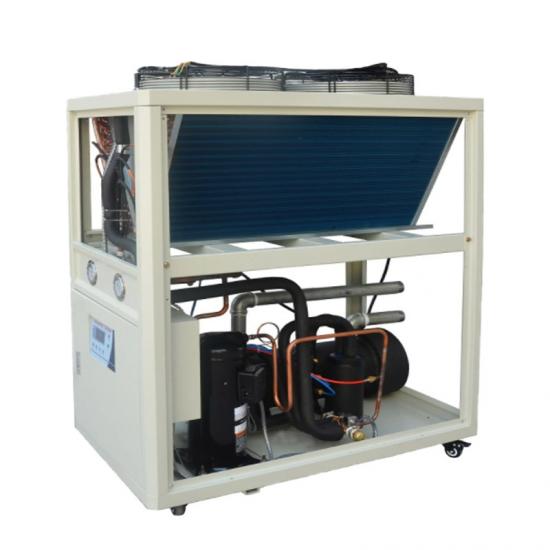
How to Overcome Industrial Cooling Issues with Air Cooled Screw Chillers

Air cooled screw chillers are a good way to fix cooling problems in factories. These systems work well and can be used in many ways. Many factories pick air cooled chiller units because they are simple to set up. They do not need cooling towers or extra water systems. People often switch to air cooled chillers to save water and need less maintenance. They also help cool bigger areas. These chillers help with energy use, space, and meeting environmental goals.


Key Takeaways

  • Air cooled screw chillers are easy to set up. They do not use much water. They are simple to take care of. This makes them great for many factories.

  • These chillers have screw compressors that work well. They use smart controls to save energy. They help keep the temperature steady.

  • Picking the right chiller size saves money. A modular design helps meet factory needs as they change.

  • Doing regular maintenance is important. Cleaning coils and checking oil keeps chillers working well. This also helps them last longer.

  • Air cooled screw chillers can be changed to fit different needs. They have strong safety features. This makes them good for many industries and places.


Air Cooled Screw Chiller Overview


How It Works

Air cooled screw chillers use a closed refrigeration cycle to take away heat from factory processes. There are four main steps in the system: compression, condensation, expansion, and evaporation. The screw compressor has two spiral rotors that spin together. This design helps the refrigerant get squeezed gently and quietly. Next, the refrigerant goes to the condenser. Fans blow air over copper tubes and aluminum fins. This step lets heat escape into the air. The refrigerant cools down and passes through an expansion valve. This valve lowers the pressure. In the evaporator, the refrigerant takes heat from the process water. This cools the water before the cycle starts again. The OUMAL 30 Ton Air Cooled Screw Chiller uses this process to give steady and dependable cooling for many factories.

  • The system has these parts:

    • Compressor

    • Condenser

    • Evaporator

    • Control system

These parts work together to make a high-efficiency solution for cooling in factories.


Key Features

Feature

Air-Cooled Screw Chiller

Water-Cooled Chiller

Cooling Medium

Uses air around it

Uses water

Cooling Equipment

Fans help get rid of heat

Needs cooling towers

Water Consumption

Uses little water

Uses a lot of water

Installation

Can go outside, easy to set up

Goes inside, harder to set up

Maintenance

Medium, no cooling tower needed

More work, needs water treatment

Efficiency

Works well in many places

Better for very big jobs

The OUMAL air cooled screw chiller has a semi-hermetic screw compressor, a copper condenser, and a shell-and-tube evaporator. It uses a Siemens PLC control system with a touch screen, so it is easy to use. The chiller uses R-407C, which is a refrigerant that is better for the environment. It meets strict rules for the environment. Special safety features help keep the cooling system working well.


Main Applications

Air-cooled chillers are used in many industries that need reliable chillers for cooling. Some common uses are:

  • Plastics factories use them to control mold temperature

  • Electronics factories use them to keep things stable

  • Chemical plants use them to stay safe

  • Food and drink factories use them to cool things fast

  • Medical and drug companies use them for clean rooms

  • Car and printing factories use them to protect machines

These chillers also work well where there is not much water. The OUMAL air cooled chiller can be used with other cooling systems. This makes it a good choice for many factory cooling needs.


System Sizing

30 Ton Air Cooled Screw Chiller

Flexible Capacity

Factories need chillers that can handle many jobs. Sometimes, factories change their machines or add new ones. A modular design lets chillers fit different needs. The OUMAL air cooled screw chiller has a modular design. Users can pick the size and features they want. They do not have to buy a chiller that is too big or too small. This helps save both money and energy.

Capacity control is also very important. The OUMAL process chiller can change its cooling power in steps from 25% to 100%. This means it can match how much cooling is needed at any time. If the factory needs less cooling, the chiller uses less energy. If more cooling is needed, the chiller gives more power. This makes the system work well and stay reliable.

  • Step modulation for capacity control helps:

    • Use less energy when cooling needs are low

    • Make the compressor last longer

    • Keep the temperature steady for sensitive jobs

Some chillers use variable-speed drives. These drives let the compressor and fans change speed smoothly. This gives even better control and saves more energy. Using the right controls can lower electricity use by over 12% in some cases. The OUMAL process chiller uses smart controls to work its best in all situations.


Sizing Tips

Getting the right size chiller is very important. If the chiller is too small, it cannot cool enough. If it is too big, it wastes energy and costs more to run. Here are the main steps to size an air cooled screw chiller:

  1. Find out the total heat load. Add up heat from machines, people, and outside. Think about the temperature and humidity you want.

  2. Look at the type of factory and how many hours it works each day. Check how much heat the equipment makes.

  3. Use this formula: Capacity (Tons) = Total Heat Load (BTUs) / 12,000. This tells you the size you need.

  4. Pick the right chiller type for your job. Screw chillers are best for big factories and tough jobs.

  5. Plan for the future. Think about adding new machines or working longer hours. Do not just look at cost. Efficiency and how well it works over time are most important.

Tip: Always talk to a chiller expert before you decide. OUMAL can make custom chillers for special needs. Their team can help with sizing and design so the chiller fits your job.

Industrial chillers like the OUMAL model can be made to fit each project. This makes sure the system works well and saves energy. Good planning and the right features help factories get the best from their cooling system.


Energy Efficiency


Compressor Technology

Industrial chillers use special screw compressor technology to save energy. The screw compressor has two rotors that spin together. This design makes the compressor quiet and smooth. Many air-cooled chillers use this compressor because it saves power. It also works well in big factories. The compressor can change its speed and power. This helps match how much cooling the plant needs. So, the chiller does not waste energy when less cooling is needed.

  • Screw compressors help chillers by:

    • Keeping the temperature steady and accurate

    • Using less electricity in big buildings and cooling jobs

    • Giving many cooling options for different needs

    • Letting users adjust settings to save more money

Some brands, like Daikin and Trane, use screw compressors with high energy ratings. These compressors help factories use less electricity. The OUMAL air cooled chiller uses a semi-hermetic screw compressor. This type is known for being efficient and working well for a long time.


Smart Controls

Smart controls are important for making chillers work better. Many new chillers use PLC systems and touch screens. These controls let workers set and watch the chiller in real time. The system can change how it works based on cooling needs. This saves energy and keeps the temperature even.

The OUMAL air cooled screw chiller uses a Siemens PLC control system. It has a touch screen that is easy to use. This system lets workers make changes fast and react to factory needs. Smart controls also help keep the system safe. They watch for problems like too much pressure or overload. Workers can see warnings and fix problems before they get worse.

Note: Smart controls and energy systems work together to save energy. They help the chiller run only when needed. This lowers costs and makes the chiller more efficient.


Reducing Costs

Industrial chillers help factories spend less money in many ways. Air-cooled chillers do not need cooling towers or extra water. This means they use less water and need less care. Using eco-friendly refrigerants, like R-407C, is good for the earth. It also helps the chiller work well in hot weather.

Studies show water-cooled chillers use less power than air-cooled chillers. But air-cooled chillers save money because they do not need water treatment or towers. This makes them good for places with little water. The OUMAL air cooled screw chiller uses R-407C. This helps it work well and saves money on water.

Factories that buy variable speed drive air-cooled screw chillers often get their money back in about 22 months. This means energy and care savings pay for the chiller in less than two years. Many factories pick air-cooled chillers to help the planet. These chillers use less material and lower-GWP refrigerants. This helps cut down on carbon emissions.

Tip: Picking the right chiller with smart controls and good compressors helps factories save money, use less energy, and protect the environment.


Maintenance and Reliability


Easy Maintenance

Air cooled screw chillers last a long time in factories. They have fewer moving parts than other chillers. This means they do not break as often. The design lets workers reach important parts easily. Technicians can check and fix things fast. Many factories pick screw chillers for strong cooling and easy care. Screw chillers need fewer repairs than reciprocating chillers. They also cost less to keep working over time. Cleaning the condenser coils and checking oil levels is important. This helps the chiller work well. If something breaks, modular maintenance keeps the chiller running. One part can be fixed while the rest still works. This stops long shutdowns and keeps the factory working.


Aspect

Air-Cooled Screw Chillers

Reciprocating Chillers

Scroll Chillers

Centrifugal Chillers

Moving Parts

Fewer

More

Fewer

Single Compressor

Maintenance Complexity

Easier Access

Higher

Sealed Design

Full Shutdown

Maintenance Costs

Lower Long-Term

Higher

Lower

Higher

Operational Impact

Modular Maintenance

N/A

N/A

Full Downtime


Safety Protections

Modern air cooled screw chillers have many safety features. These features help stop damage and keep the chiller safe. Some main safety features are:

  • High and low pressure protection

  • Compressor overheating protection

  • Overloading protection

  • Flow switch to check water flow

  • Phase sequence and phase-missing protection

  • Exhaust overheating protection

  • Anti-freezing protection

  • Oil separator for proper lubrication

  • Refrigerant safety valve

  • Buzzer alarms for faults

  • Power phase failure protection

  • Coil over-heat protection

  • Temperature auto-switch

  • Refrigerant shortage protection

All these features work together to stop problems early. They also make it easier for workers to fix issues.


Warranty and Support

OUMAL gives a 15-month warranty for its air cooled screw chillers. This is longer than the usual 12 months from other brands. The company has good after-sales support. Customers can get help from trained service teams. They can order spare parts and ask for technical help. OUMAL also lets customers use remote monitoring and gives advice on care. These services help the chiller work well and make customers feel safe.


System Compatibility

Air cooled screw chillers can work with many air conditioning systems in factories. They connect to both new and old systems. Engineers plan how to keep air moving and not stop work. They follow the maker’s guide to fit the chiller with the system. Testing and checking make sure everything works together well. Many factories use these chillers to make their cooling better without big changes. Cleaning filters and looking for leaks helps the system run well.

Tip: Good planning and setup help stop problems when adding chillers to old systems.


Environmental Adaptability

Factories use air conditioning in many places. Air cooled screw chillers can handle hot, cold, or tough spots. They have strong fans and special covers to stop heat and rust. Some chillers work in heat up to 60°C. They use drives that change fan and compressor speed. This saves energy and keeps the temperature steady. The table below shows how these chillers work in different places:


Adaptation Feature

Description

Variable Frequency Drives

Change speed for different loads and weather

Heavy-duty Design

Works in high heat, up to 60°C

Corrosion-resistant Heat Exchangers

Lasts longer in tough or chemical places

Modular Design

Fits in small spaces and is easy to add more

Installation Clearances

Needs space for air and repairs

Environmental Protection

Protects from bad weather and harsh stuff

These features help air conditioning systems in factories work well anywhere.


Customization Options

Each factory needs something different for its air conditioning. Air cooled screw chillers can be changed in many ways. Companies pick the size, cooling power, and temperature they need. Some chillers have special parts to stay safe in risky places. Others cool things to very low temperatures for food or chemicals. Digital controllers help keep the temperature just right. OUMAL lets you use outside water tanks for more choices. Their team helps design chillers for special needs, space, and rules. This makes sure the cooling system fits and works well with air conditioning in factories.


阅读全文......