dyyseo
Water Cooled Chiller

Why Water Cooled Explosion Proof Chillers Are a Must for Hazardous Industries

You need a water cooled explosion-proof chiller in dangerous places. It helps stop fires from flammable gases, vapors, or dust. Explosion-proof chillers keep your workplace safe. They remove heat without making sparks. If you use regular equipment in these areas, you could start fires. This can cause injuries and expensive damage. Safety should always come first in hazardous industries.


Key Takeaways

  • Water cooled explosion-proof chillers are very important for safety in dangerous places. They stop fires by taking away heat and do not make sparks.

  • Pick explosion-proof chillers that have sealed parts and strong materials. This helps them last in hard places and lowers the chance of fire starting.

  • It is important to install and take care of chillers the right way. Always follow safety rules and check the chillers often. This keeps them safe and working well.

  • Certified explosion-proof chillers help you follow safety laws. They keep your workers safe and can make insurance cheaper.

  • Buying explosion-proof chillers makes your workplace safer and saves energy. This can help your business save money too.


What Is a Water Cooled Explosion-Proof Chiller?

It is important to know how a water cooled explosion-proof chiller is different from a regular chiller. These chillers are made to keep people safe in dangerous places. They are built to stop sparks and heat from starting fires. Explosion-proof chillers have tough covers and use strong stainless steel. This makes them last longer and keeps them from getting rusty or damaged.

Here is a table that shows the main differences between explosion-proof chillers and standard chillers:


Feature/Component

Explosion-Proof Chillers

Standard Chillers

Safety Design

Engineered for hazardous environments, minimizing ignition hazards

General safety features

Enclosure

Explosion-proof enclosures to prevent ignition

Standard enclosures

Materials

High-grade stainless steel for corrosion resistance

Varies, often less durable

Compliance with Safety Standards

Adheres to stringent safety standards for hazardous locations

General industry standards

Customization Options

Available in closed-loop, open-loop, and one-pass designs

Limited customization

Space Efficiency

Compact designs for tight installations

Varies

Explosion-proof chillers come in different types. You can pick closed-loop, open-loop, or one-pass systems. These choices help you fit the chiller in small spaces at work.


Tip: Always make sure your explosion-proof refrigeration system follows the newest safety rules for dangerous areas.


How It Works in Hazardous Areas

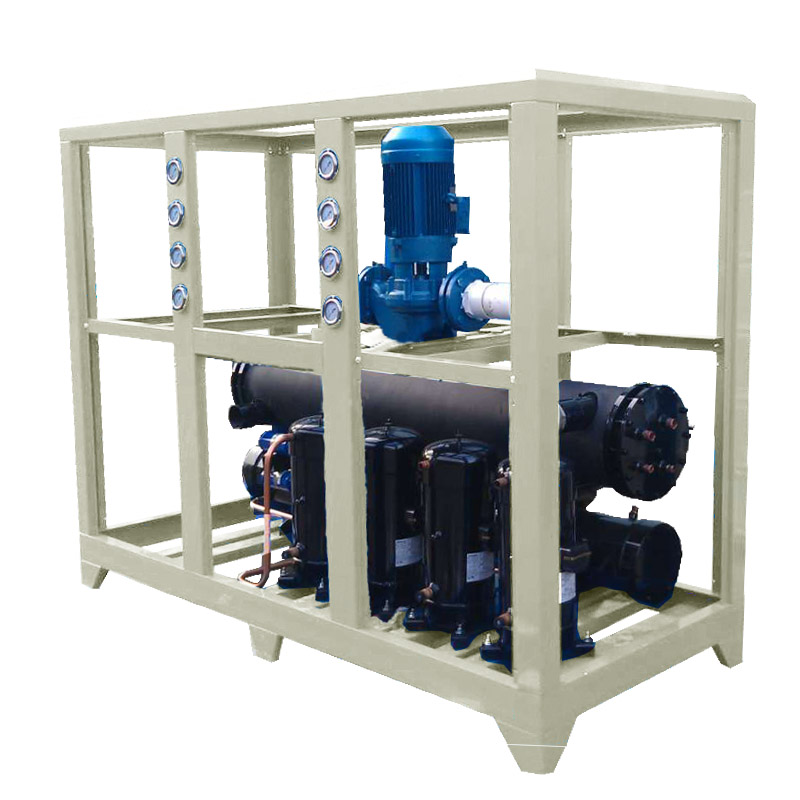
A water cooled explosion-proof chiller uses water to take away heat. The water moves through the condenser and cools the refrigerant. This keeps the refrigerant cold before it goes to the evaporator. Using water instead of air helps stop sparks or hot spots. This is very important where there are flammable gases or chemicals.

Explosion-proof chillers are safe to use in dangerous places. They do not let any part of the system start a fire. The strong cover and smart design protect people and equipment. You can count on these chillers to work without causing fires or explosions.

Water cooled explosion-proof chillers

Safety Benefits of Explosion-Proof Chillers

Preventing Ignition Risks

Hazardous places have many dangers. Flammable gases, vapors, and dust can cause big problems. Even a tiny spark can start a fire. Explosion-proof chillers help stop these risks. They use sealed parts and strong materials. This keeps flammable stuff out. Extra safety features like pressure relief valves and shut-off systems give more protection.


Here is a table that shows how explosion-proof chillers are safer than regular chillers:

Feature

Benefit

Sealed Components

Stops flammable gases from getting in and causing sparks.

Durable Construction

Makes chillers last longer and work well in tough places.

Advanced Safety Mechanisms

Lowers danger with things like pressure relief valves and shut-off systems.

Explosion-proof chillers use the same smart designs to keep you safe. You can feel calm knowing your hvac systems will not start fires. These chillers follow strict safety rules and help you obey safety laws.


Safety Performance Chart

Here is a simple chart that shows how explosion-proof chillers lower risk compared to regular chillers:

Chiller Type

Risk of Ignition

Compliance with Safety Standards

Protection Level

Standard Chiller

High

Low

Low

Explosion-Proof Chiller

Very Low

High

High


Protecting People & Assets

You want your team and equipment to stay safe. Explosion-proof chillers protect people and things in dangerous jobs. These chillers use spark-proof parts and materials that do not rust. You can trust them to work in hard places.


  • Explosion-proof design lets you use chillers in risky places.

  • Spark-proof parts stop fires from starting.

  • Materials that do not rust help fight chemicals.

  • PESO certification means you follow safety rules.

Explosion-proof chillers help you avoid accidents and lost time. You protect your money and keep your business working well. Picking a water cooled explosion-proof chiller shows you care about safety. Explosion-proof refrigeration is the best choice for dangerous jobs.

You must follow safety rules and standards to keep everyone safe. Explosion-proof chillers help you do this and protect your team from harm.

Explosion-proof chillers

Meeting Industry Standards

You have to check if your explosion-proof chillers meet safety rules. These rules help keep everyone safe at work. Using a water cooled explosion-proof chiller protects people and equipment. Many groups make rules for hazardous location hvac systems. These rules explain how to use explosion-proof refrigeration in dangerous places.


Here is a table that lists some important NEMA standards for explosion-proof chillers:


NEMA Standard

Description

NEMA 7

Made for Class 1 Division 1/Division 2 places with flammable gases.

NEMA 4X

Stops rust and works well outside.

NEMA 4

Keeps out water and dust for safe use in tough spots.

You should also look for certifications like PESO and IECEx. These show your explosion-proof chillers follow strict safety rules. When you see these marks, you know the equipment is safe for dangerous places.

Note: Certified explosion-proof chillers help stop accidents and keep your business working well.


Regulatory & Insurance Needs

You must follow all the rules in hazardous industries. Explosion-proof chillers help you obey these laws. If you use the wrong equipment, you might get fined or lose insurance. Insurance companies want to see certified hazardous location hvac systems. They check for safety rules and the right certifications.

Explosion-proof chillers make it easier to get insurance for your business. They show you care about safety and follow the law. Using explosion-proof refrigeration lowers the chance of accidents. This can help you pay less for insurance and stay out of trouble.


Tip: Always check your local and national rules before buying new equipment. Make sure your explosion-proof chillers have the right certifications for your area.

When you pick certified explosion-proof chillers, you protect your team, your things, and your business. You also show you care about safety in dangerous places.


Operational Advantages in Hazardous Industries

Reliability & Uptime

You want equipment that works every day. It should work well in tough places. Explosion-proof chillers are strong and reliable. They help you avoid expensive shutdowns. These chillers keep your systems running safely. They work even when there are flammable gases or vapors. You can trust them to keep your workplace cool and safe.

Here are some reasons why explosion-proof chillers are reliable:


  • They lower the risk of fires and explosions.

  • They help you follow safety and work rules.

  • They cut down on downtime and help equipment last longer.

  • They work in hazardous places like Class I, Division 1 & 2.

  • They remove ignition sources in places with flammable gases or vapors.

  • They use strong stainless steel and materials that resist rust.

  • They are made to last and are easy to take care of.

Tip: Using explosion-proof chillers helps prevent accidents. They keep your business running without problems.


Efficiency & Cost Savings

Explosion-proof chillers do more than keep you safe. They also help you save money and energy. New models have smart controls and hybrid systems. These features help chillers change when cooling needs go up or down. You use less energy and pay lower bills.

Here is a table that shows how explosion-proof chillers help you save:


Feature

How It Helps You Save Money and Energy

Energy Optimization

Variable flow controls and hybrid systems adjust to changing loads, improving energy efficiency.

Environmental Sustainability

Energy-efficient absorption chillers help lower carbon emissions and energy use.

Energy Efficiency & Cost Savings

Modern absorption chillers cut operational costs and reduce your carbon footprint.

Explosion-proof refrigeration helps you reach safety and savings goals. Many companies pick these chillers to follow new energy rules. They also help lower harm to the environment. You get safe cooling, lower costs, and a safer workplace with explosion-proof chillers in hazardous jobs.


Selection & Maintenance

Choosing the Right Chiller

You must pick the right explosion-proof chillers for your job. Look at the safety features first. The chiller should have sealed parts and a flame-proof case. Check what kind of hazardous area you have. Find out if there are flammable gases, vapors, or dust. Think about how much cooling you need. Decide what fluids you will chill. Always ask experts for help. Make sure your choice is safe and works well.

Here are some things to think about:


  • Safety features like sealed parts and flame-proof cases

  • The type of hazardous area you have

  • How much cooling you need

  • What fluids you will chill

  • Ask experts to help you follow the rules


You might have problems when picking and setting up explosion-proof chillers. The table below shows some common problems and what they mean:


Challenge

Description

Compliance with standards

Making sure the chiller follows IEC 60079 and other safety rules.

Structural integrity inspection

Checking if the design and materials are good for hazardous places.

Electrical system safety

Making sure all electrical parts stop sparks or heat.

Refrigerant safety

Using refrigerants that do not catch fire easily.

Documentation and maintenance

Keeping good records for safety checks and following the rules.


Installation & Maintenance Tips

You want your explosion-proof chillers to work well and stay safe. Follow these tips for installing and taking care of them:

  1. Check for risks before you put in the chiller. Find any dangers.

  2. Talk to experts to help you pick and install the right chiller.

  3. Make a plan to check and fix the chiller often. Look at the refrigeration, electrical, and water systems.

  4. Clean the chiller inside and outside to help it work better.

  5. Change old parts and fix settings to keep it working well.

  6. Always follow the rules for using the chiller. Check safety devices and do not overload it.

Some common problems are leaking, slow cooling, and loud noises. The table below shows some problems and what causes them:


Maintenance Issue

Description

Leaking

Old seals, rusty pipes, or loose joints

Slow Cooling

High heat, dirty condenser, or not enough refrigerant

Excessive Noise

Loose parts, broken fan, or shaking pipes


Tip: Write down all checks and repairs. This helps you stay safe and follow the rules.


Explosion-proof chillers need good choices and regular care. If you do these things, you keep your team safe and your business working well.


You need water cooled explosion-proof chillers to keep people safe. These chillers help protect your team and equipment at work. They work well in tough places and use water to cool things down. Using water helps stop sparks from happening. This lowers the chance of a fire starting. Certified chillers help you follow safety rules at your job. Chemical plant chillers with explosion-proof features keep your business running. To begin, look at what your site needs. Check if the chillers have the right certifications. Talk to experts to find the best chiller for your work.


阅读全文......

The Role and Benefits of Industrial Cooling Water Chillers in Modern Industry

The Role and Benefits of Industrial Cooling Water Chillers in Modern Industry

In today's fast-paced industrial world, maintaining the correct temperature is critical for ensuring the efficiency, safety, and longevity of machinery and processes. One essential piece of equipment that supports this need is the "industrial cooling water chiller". These systems are pivotal in a variety of sectors, from manufacturing and chemical processing to data centers and HVAC systems. In this blog, we’ll explore what industrial cooling water chillers are, how they work, their benefits, and why they are indispensable for modern industry.


What is an Industrial Cooling Water Chiller?

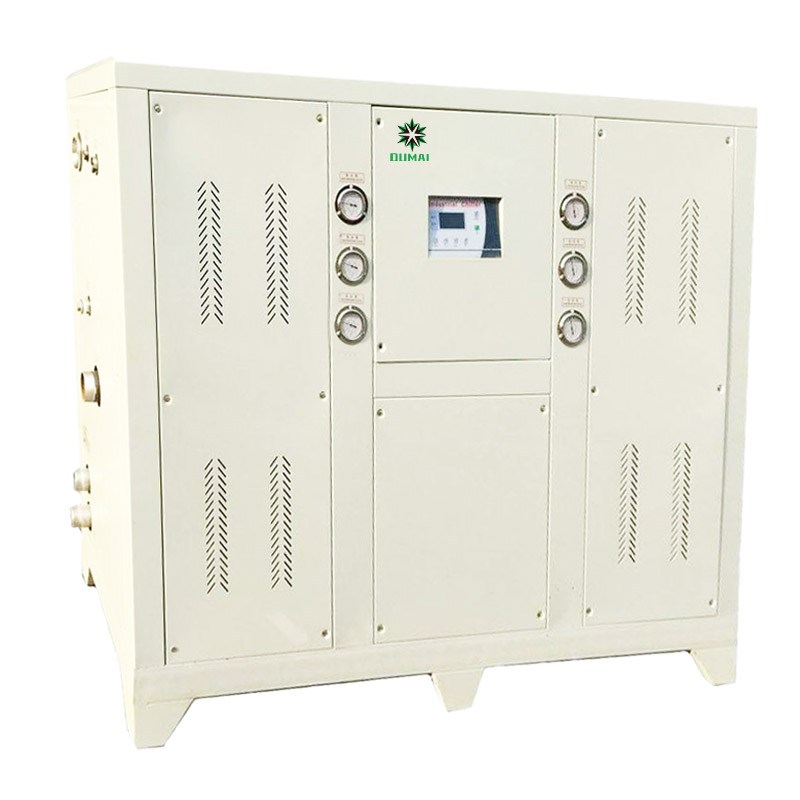
An industrial cooling water chiller is a sophisticated cooling system designed to lower the temperature of water used in various industrial processes. The primary function of this chiller is to remove excess heat from the water, which then circulates through different parts of a production system or machinery to absorb and carry away heat generated during operations.


The basic principle behind an industrial cooling water chiller involves a refrigeration cycle. This cycle includes the following components:

Evaporator: This is where the water to be cooled absorbs heat from the refrigerant. The refrigerant evaporates as it absorbs heat, cooling the water in the process.

Condenser: In this component, the refrigerant releases the absorbed heat to the surrounding environment, typically via a water or air-based cooling system.

Compressor: This device circulates the refrigerant between the evaporator and condenser, maintaining the flow and pressure of the refrigerant.

Expansion Valve: This regulates the refrigerant flow into the evaporator, ensuring proper pressure and temperature conditions.


How Do Industrial Cooling Water Chillers Work?

The operation of water cooled chiller starts with the water being pumped into the evaporator, where it absorbs heat from the refrigerant. As the refrigerant evaporates, the water is cooled to the desired temperature. The now warm refrigerant is then pumped to the condenser, where it releases the absorbed heat into the cooling medium (water or air). The cooled refrigerant returns to the evaporator, and the cycle repeats.

This continuous cycle ensures that the water remains at a stable temperature, which is crucial for maintaining process efficiency and equipment integrity.


Applications of Industrial Cooling Water Chillers

Water chillers are used across a broad spectrum of industries. Here are some notable applications:

1. Manufacturing: In manufacturing plants, these chillers help in cooling machinery and process fluids, which prevents overheating and ensures smooth operation.

2. Chemical Processing: They are used to control the temperature of chemical reactions, ensuring that the reactions occur within optimal temperature ranges and enhancing product quality.

3. Plastics and Extrusion: In the plastics industry, chillers are employed to cool molds and machinery, which improves product quality and reduces production time.

4. Data Centers: These chillers are crucial for cooling servers and other electronic equipment, preventing overheating and ensuring reliable operation.

5. HVAC Systems: In large commercial and industrial HVAC systems, cooling water chillers help maintain comfortable indoor temperatures by cooling the water used in the system.

Benefits of Industrial Cooling Water Chillers

1. Enhanced Efficiency: Industrial cooling water chillers provide precise temperature control, which is essential for optimizing industrial processes and improving overall efficiency.

2. Extended Equipment Life: By preventing overheating and maintaining optimal operating temperatures, these chillers help extend the lifespan of machinery and equipment, reducing maintenance and replacement costs.

3.Energy Savings: Modern industrial chillers are designed with energy efficiency in mind. They use advanced technologies and high-efficiency components to minimize energy consumption, resulting in cost savings.

4. Improved Product Quality: In many manufacturing processes, temperature control is critical for ensuring the quality and consistency of products. Chillers help maintain the required temperature, thereby improving product quality.

5. Environmental Impact: Many industrial cooling water chillers are now equipped with eco-friendly refrigerants and energy-saving features, contributing to a reduced environmental footprint.


Maintenance and Optimization

To ensure the reliable performance of industrial cooling water chillers, regular maintenance is essential. Key maintenance tasks include:

Regular Inspections: Periodic checks of the chiller’s components, such as the evaporator, condenser, and compressor, help identify and address potential issues before they escalate.

Cleaning: Keeping the condenser and evaporator clean prevents efficiency losses and extends the lifespan of the equipment.

Water Treatment: Proper treatment of the cooling water prevents scaling, corrosion, and biological growth, which can affect chiller performance.

Monitoring: Continuous monitoring of system performance helps in identifying inefficiencies and optimizing operations.

Future Trends and Innovations

The field of industrial cooling is constantly evolving, with new technologies and innovations driving improvements in efficiency and sustainability. Some notable trends include:

Advanced Control Systems: Integration of smart controls and sensors for real-time monitoring and optimization of chiller performance.

Eco-Friendly Refrigerants: Development of refrigerants with lower global warming potential to reduce the environmental impact of cooling systems.

Energy Recovery Systems: Implementation of systems that recover and reuse waste heat, improving overall energy efficiency.


High quality industrial cooling water chillers are a cornerstone of modern industrial operations, providing essential temperature control across various sectors. Their ability to enhance efficiency, extend equipment life, and improve product quality makes them indispensable for maintaining optimal operational conditions. By understanding their operation, benefits, and maintenance needs, industries can harness the full potential of these systems to achieve greater efficiency and sustainability. As technology advances, these chillers will continue to play a critical role in supporting the dynamic demands of contemporary industrial processes.

阅读全文......