dyyseo
Water Cooled Chiller Unit

Comprehensive Guide to Water-cooled Screw Chiller Application in Large Buildings

You need cooling that works well in a big building. A water-cooled screw chiller gives strong cooling for large spaces. It is good when you need the temperature to stay the same. Many reports talk about two main benefits:

Benefit

Description

Environmentally Friendly

Uses less energy, so it helps the planet. It also uses water well, which makes it even better for the environment.

Consistent Performance

Gives steady cooling, which is important for places like data centers.

Always follow the best steps and listen to the maker’s instructions when you install it. This helps it work well for a long time.


Key Takeaways

  • Water-cooled screw chillers use less energy and help the environment. They can lower your energy bills and make less pollution. These chillers give steady cooling all the time. This makes them good for big places like hospitals and data centers. It is important to install them the right way. You need a strong base and enough room. Always follow the maker’s rules to stop mistakes. Check the chiller every day and get it looked at once a year. This helps it work well and last longer. Smart controls can make the chiller work better and save energy. This makes your cooling system more useful.


Water-cooled Screw Chiller Basics

What Is a Water-cooled Screw Chiller

A water-cooled screw chiller helps cool big buildings. It chills water and moves it through pipes. This keeps rooms at the right temperature. Hospitals, malls, and office towers use these chillers. You can choose chillers from 50 Ton to 850 Ton. Pick the size that fits your building.

The main parts of a water-cooled screw chiller work together in a cycle. Here is a table that shows what each part does:

Component

Function

Compressor

Pulls in cold refrigerant gas and squeezes it. This makes the gas hot and under high pressure.

Condenser

Cools the hot gas so it turns into a liquid.

Thermal Expansion Valve

Controls how much refrigerant goes into the evaporator. It checks the heat of the gas.

Evaporator

Takes heat from the chilled water. This makes the refrigerant turn into cold gas.

Return and Repeat

The cold gas goes back to the compressor. The cycle starts again.


How Screw Compressors Operate

Screw compressors are inside the chiller. They use two spinning screws to squeeze the refrigerant gas. This makes the gas hotter and under more pressure. Screw compressors work quietly and smoothly. They give high cooling power and save energy. Here is a table to compare screw compressors with other types:

Feature

Screw Compressors

Reciprocating Compressors

Capacity

High cooling power

Lower cooling power

Operation

Works smoothly

Not as smooth

Energy Efficiency

Saves more energy

Uses more energy

Size

Smaller size

Bigger size

Noise Level

Makes less noise

Makes more noise

Complexity

More parts inside

Fewer parts inside


Key Features and Benefits

Water-cooled screw chillers have many good features. Here are some important ones:

  • Saves energy and lowers your power bills.

  • Keeps big spaces cool and comfortable.

  • Smaller size makes it easier to install.

  • Screw compressors work well and last long.

  • Smart controls help you use the system easily.

  • Easy to check and fix problems fast.

  • Lasts longer so you do not need many repairs.

  • Good heat exchanging parts help with bad water.

  • You can change the chiller to fit your building.

Tip: Try to get chillers with smart controls and strong parts. These help your system work well for a long time.


Why Choose Water-cooled Screw Chillers
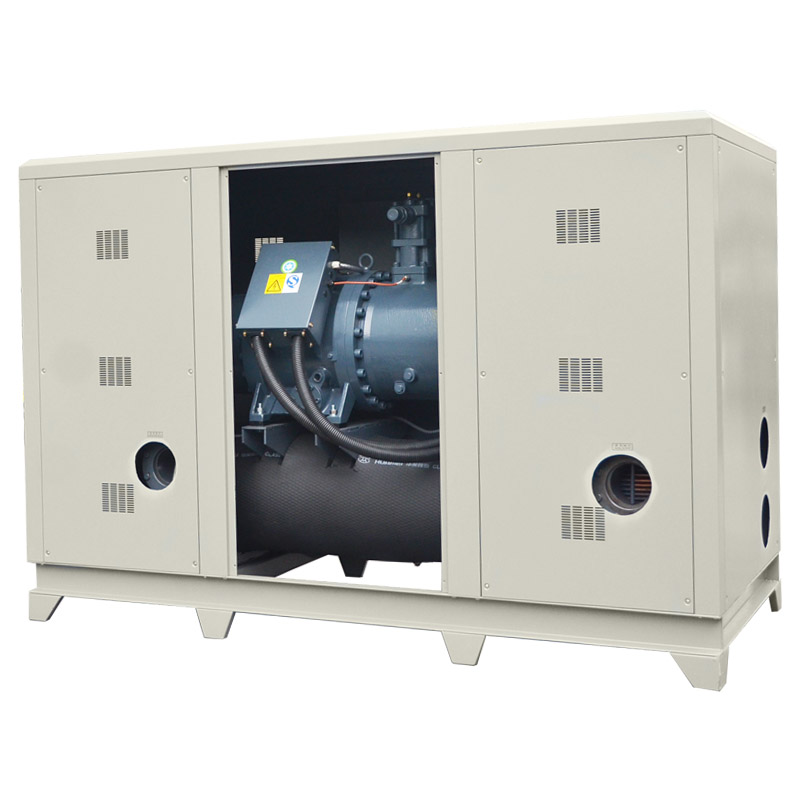
water cooled screw chiller

Comparison with Other Chiller Types

You might ask how this chiller compares to others. The main difference is with air-cooled chillers. Look at the table to see what makes them different:

Comparison Aspect

Water-Cooled Chiller

Air-Cooled Chiller

Initial Cost

Costs more because it needs extra equipment

Costs less since it has fewer parts

Operating Cost

Uses less energy in big buildings

Uses more energy, especially when it is hot

Efficiency

Works better in places with steady temperatures

Does not work as well when it is very hot

A water-cooled screw chiller costs more at first. But you save money later because it uses less energy. This is why it is a good choice for big buildings.


Advantages for Large Buildings

If you need to cool a big building, you want a system that works well and is quiet. Water-cooled screw chillers have many good points:

  • They cool better because water moves heat faster than air.

  • They are quieter, so you do not hear loud fans.

  • They work well even when it is very hot outside.

Tip: Pick this chiller if you want steady cooling and less noise.


Energy Efficiency

You want to spend less on energy. Water-cooled screw chillers help you do that. They use a cooling tower to cool water better than air-cooled chillers. This means they use less energy to cool the building. Over time, you pay less for energy. You also help the planet by using less power.

You can count on a water-cooled screw chiller to give strong and steady cooling. It saves energy and works well in big buildings.


Pre-installation Planning

Assessing Cooling Needs

Before you install a chiller, you need to know how much cooling your building needs. Start by looking at the total heat load. This includes heat from machines, lights, and people inside the building. You should also check for heat coming from outside, like sunlight through windows. Use these steps to guide your planning:

  • Calculate the cooling load for your building.

  • Check energy efficiency ratings, such as the Coefficient of Performance (COP), to see how much energy the chiller will use.

  • Think about capacity and if you might need more cooling in the future.

  • Make sure the chiller is easy to maintain and that parts are available.

  • Look at the total cost, not just the price to buy the chiller, but also the cost to run and maintain it.

  • Identify all heat sources, both inside and outside.

  • Choose the right type of chiller for your needs.

  • Know the flow rate and the temperatures you want for the water going in and out.

Tip: A good plan now helps you avoid problems later.


Site Selection and Plant Room Design

You must pick the right spot for your chiller. The plant room should be safe and easy to reach. Follow these steps for a good setup:

  1. Select a location with good airflow and enough space for workers to move around. Avoid hot areas.

  2. Build a strong, level foundation to hold the chiller’s weight.

  3. Connect water and power supplies safely and securely.

  4. Install high-quality pipes and check for leaks.

  5. Test the system to make sure it works well and does not leak.

A well-designed plant room makes it easier to keep your chiller running smoothly.


Compliance and Safety

You need to follow rules and standards when you install chillers. These rules help keep people safe and make sure the chiller works well. Here are some important standards:

Standard/Regulation

Focus/Description

ISO 5151

Tests cooling capacity and energy efficiency.

ISO 13256

Sets design and performance rules for water-cooled units.

ASHRAE 90.1

Lists energy efficiency needs for buildings.

ASHRAE 15

Covers safety for refrigerant leaks and ventilation.

EN 378

Covers safety, energy use, and environmental impact.

Montreal Protocol

Phases out harmful refrigerants.

Electrical Safety

Protects against shocks and fires.

Mechanical Safety

Prevents access to moving parts and keeps the chiller stable.

Energy Labeling

Shows energy efficiency for buyers.

MEPS

Sets minimum energy performance standards.

Note: Always check local codes and ask experts if you are not sure about a rule.


Step-by-step Installation Guide for Water-cooled Screw Chiller

You want your building to stay cool. This guide shows you how to install a water-cooled screw chiller. Follow each step to make sure you do it right.


Foundation Preparation

Begin with a strong base. The chiller needs a flat and sturdy floor. You can use concrete or other tough materials. Put the chiller on a concrete floor that is level within 6mm. For bigger chillers, build a concrete base with a 50-100mm gap. Fill this gap with sand or pitch. The gap helps stop vibration and keeps the chiller steady. A good base stops movement and damage when the chiller runs.

  • Use concrete for a strong base.

  • Make sure the floor is flat before you start.

  • Fill the gap with sand or pitch for support.

Tip: A strong base helps your chiller last longer.


Positioning and Mounting

Now, put the chiller in the plant room. Leave enough space around it for workers and air to move. Place the chiller where people can reach it easily. Attach the chiller tightly to the base. Use bolts and brackets that the maker suggests. Check that the chiller is straight to avoid bending the frame.

  • Leave space for workers to get to the chiller.

  • Use strong bolts to hold the chiller.

  • Make sure the chiller is straight.


Utility Connections

Connect water and power to the chiller. Use good cables and pipes. Follow safety rules for electricity. Make sure the water supply fits the chiller’s needs. Check that all connections are tight and do not leak. Label each connection so you know what it is for later.

  • Use safe cables and pipes.

  • Connect water pipes to the right places.

  • Test for leaks after you connect everything.


Piping Installation

Put in pipes carefully. Pick pipes with the right size for your system. Connect pipes using normal ways for chilled water and cooling water. Add pipes that help stop vibration. Put a filter at the water inlet and clean it often. If your water is not good, use Y-type filters and check them a lot. Build and install pipes by following national rules.

  • Pick pipes that match your chiller’s power.

  • Connect pipes the right way.

  • Add filters and clean them to keep water clean.

  • Use vibration pipes to protect the evaporator.

Note: Clean filters and good pipes help your chiller work well.


Vibration Isolation

Vibration isolation keeps your chiller and building safe. Pick isolators like rubber mounts or springs based on the chiller’s size and weight. Put isolators between the chiller and its base. Follow the maker’s instructions for lining things up. Stop vibration problems by checking system frequencies. You can change these by adjusting mass or stiffness.

Method

Description

Vibration Isolator Selection

Choose isolators that fit the chiller’s size and weight.

Installation

Put isolators between the chiller and base, following instructions.

Avoiding Resonance

Check and change system frequencies to stop vibration problems.

Frequency Analysis

Look at the system to find natural frequencies.

Modifying the System

Change mass or stiffness to fix vibration issues.


System Testing and Commissioning

Test the system before you use it. Start with checks before turning it on. Look at all papers and check the setup. Test pipes and connections for leaks. Check oil levels and water flow. Turn on the chiller and watch how it works. Use flow meters to see if water flow is right. Check the compressor’s spin and oil after starting. Run the chiller for 30 minutes and change settings if needed. Make the system better by changing controls and checking building system links. Teach workers and give them all papers.

  1. Check the setup and test for leaks.

  2. Look at oil levels and water flow.

  3. Turn on the chiller and watch how it works.

  4. Use flow meters to test water flow.

  5. Check compressor spin and oil after starting.

  6. Run the chiller for a while and change settings.

  7. Teach workers and give them papers.

Tip: Always test the system before using it fully. This step helps you find problems early and makes sure your chiller works well.

You now have a simple step-by-step guide for installing your water-cooled screw chiller. Follow each step and use good methods. This helps you get a good installation and strong cooling for your building.


Tips for Successful Installation

Avoiding Common Mistakes

You want your chiller to last a long time. Making mistakes during installation can cause problems. Many people forget to check the base before putting in the chiller. If the base is not flat or strong, the chiller can shake or break. Some people do not read the manufacturer’s instructions. This can cause wrong connections or a bad setup. Always follow the steps from the maker.

Leave enough space around the chiller for workers. Tight spaces make fixing and checking hard. Workers need room to reach all parts. Another mistake is using pipes that do not fit the chiller’s size. Pipes that are too small or too big can leak or lower cooling power.

Tip: Check every step twice when installing. Ask for help if you are unsure about a part or connection.


Maintenance Planning

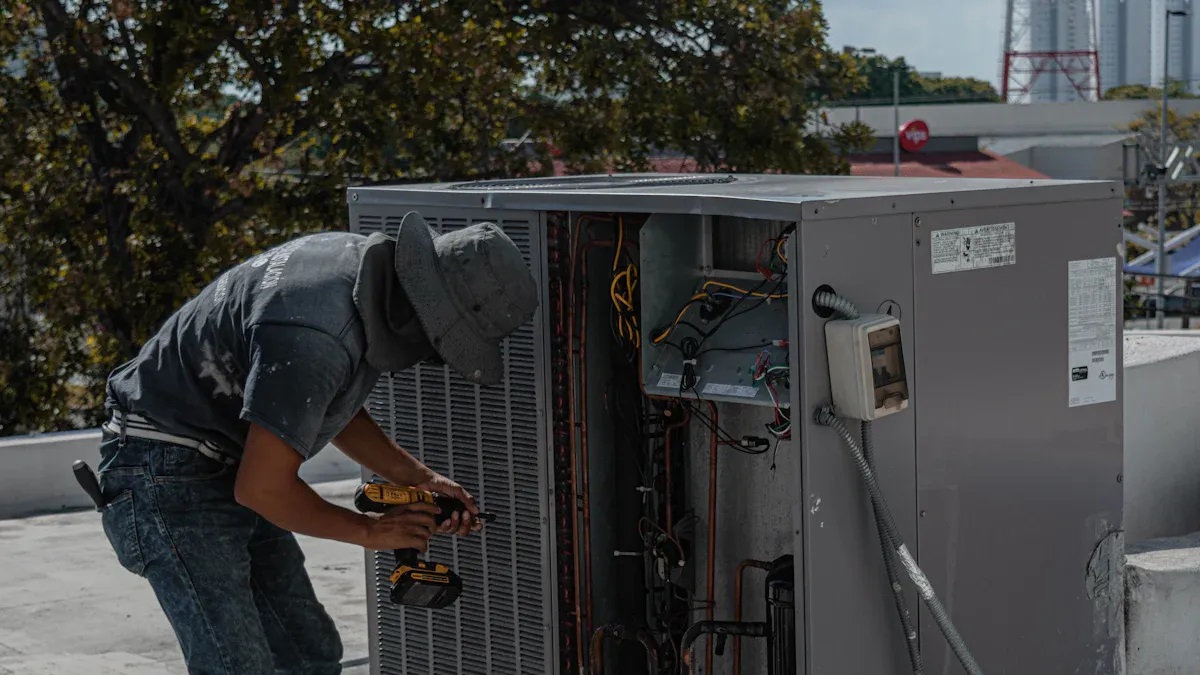
Regular care helps your chiller work well. You need a plan for daily, monthly, and yearly tasks. This helps you find problems early and avoid big repairs. Check the inlet and outlet temperatures every day. This shows if the chiller is cooling right. Look at water strainers each month to keep water clean and stop clogs. Test phase rotation and check the expansion valve every month. These steps help the chiller stay safe.

Some jobs need to be done once or twice a year. Use ultrasonic leak testing to find hidden leaks. Take oil samples and send them to a lab. Pressure wash the microchannel coil to clean off dirt. Update the software on control systems to keep the chiller smart.

Here is a table to help you plan your maintenance:

Maintenance Task

Frequency

Daily checks (inlet/outlet temps)

Daily

Inspecting water strainers

Monthly

Testing phase rotation

Monthly

Checking expansion valve response

Monthly

Ultrasonic leak testing

Annual/Bi-annual

Oil sample laboratory analysis

Annual/Bi-annual

Microchannel coil pressure washing

Annual/Bi-annual

Software updates on control systems

Annual/Bi-annual

Note: Clean water helps your chiller last longer. Always check water quality and clean filters often.


Performance Optimization

You can help your chiller work better and save energy. Use smart controls that change how the chiller and cooling tower run. Extremum Seeking Control (ESC) uses feedback from power use to find the best way to work. This can save up to 40% energy in medium chiller plants. Small plants may save about 20%. Another way builds an energy model for your building. It looks at the thermal load and weather to find the best settings. This saves energy and lowers greenhouse gas emissions.

Here is a table with some top optimization techniques:

Optimization Technique

Description

Energy Savings

Extremum Seeking Control (ESC)

Uses feedback from total power use to make chiller and cooling tower work better.

Up to 40% for medium chiller plants, about 20% for small chiller plants.

Energy Optimization Methodology

Builds an energy model to set the best chiller plant settings based on thermal load and weather.

Saves lots of energy and lowers greenhouse gas emissions.

Check the controls often and update them when needed. Watch how the chiller reacts to changes in weather or building use. Change settings to keep cooling steady and save energy.

Tip: Use smart controls and keep software updated. This helps your chiller save energy and work better.

You can avoid problems and keep your chiller working well by following these tips. Good installation, regular care, and smart optimization make your system strong and reliable.


Chiller Application Case Study

Project Overview

You can learn from real building projects. In one big building, the team picked water-cooled screw chiller technology. They used EWWD-VZ chillers with inverter technology. This helped the system save energy and work well. The design made sure it ran well at part load. This lowered how much it cost to run. The building needed to be quiet, so the team put in a soundproof system. They also used reclaimed refrigerants to help the environment. The project met LEED standards for energy efficiency and sustainability.

Key Element

Description

Advanced Chiller Technology

EWWD-VZ water-cooled chillers with inverter technology for top performance.

Energy Efficiency

System works well at part load, reducing costs.

Noise Attenuation

Soundproof system keeps noise low for mixed-use buildings.

Environmental Impact Considerations

Reclaimed refrigerants lower environmental impact.

Compliance with LEED Standards

Project meets LEED certification for sustainability.


Installation Challenges

You may face hard problems when installing a chiller. In this project, water rules made things tough. The rules did not allow a big cooling tower or adiabatic cooling system. The team had to find a new way. They added high efficiency air cooled chillers to work with the water-cooled screw chiller. This smart idea helped them meet the building’s cooling needs and follow the rules.


Results and Lessons Learned

After the chiller was installed, the building improved a lot. City water use dropped from 6,650,000 gallons to only 150,000 gallons. The yearly cost savings reached $65,000. These results show a good chiller system saves money and protects resources.

Metric

Before Installation

After Installation

Change

City Water Consumption

6,650,000 gallons

150,000 gallons

Decrease of 6,500,000 gallons

Yearly Cost Savings

N/A

$65,000

N/A

You can learn important lessons from this project. Make sure all equipment arrives on time to avoid delays. Stay flexible with your schedule if something unexpected happens. Use energy-efficient technology like CO2 sensors and enthalpy controls to make your system better.

Lesson Learned

Description

Timely Delivery of Equipment

Get all parts on schedule to keep the project moving.

Flexibility in Scheduling

Adjust plans when problems come up, like factory shutdowns.

Energy-Efficient Tech Implementation

Use smart controls to save energy and lower costs.

Tip: Plan ahead and use smart technology. You will get better results and save more in the long run.

You can keep big buildings cool if you do these things: First, make sure the area is flat and has lots of space. Put in anti-vibration devices to stop shaking. Next, set up water pipes like the manufacturer’s diagram shows. Clean the water pipes before you use them. Test the pipes to make sure they work right. Insulate cold parts so you do not lose energy.

Good planning and regular care help chillers work well and last longer. If your project is hard, ask experts for help to keep things safe and working their best.
阅读全文......

Water Cooled Screw Chiller Benefits Every Business Needs

A water cooled screw chiller works very well and is dependable for big buildings and factories. Many business owners want to cool large spaces, save money on energy, and keep their systems working for a long time. If you use water-cooled screw chiller technology, your energy costs can go down by up to 30%. Water cooled chillers help you meet your building’s cooling needs and help you make more profit. Think about how these chillers can change your business.


Key Takeaways

  • Water cooled screw chillers can cut energy costs by 20% to 40%. This helps businesses save money on monthly bills.

  • These chillers give strong cooling power. They work well for big buildings and factories. These places need powerful cooling systems.

  • Water cooled chillers need fewer repairs. They last a long time, about 15 to 25 years. This lowers maintenance costs for businesses.

  • Using water cooled chillers uses less energy. They use eco-friendly refrigerants. This helps lower your impact on the environment. It supports green business goals.

  • Water cooled chillers are flexible. They are easy to add to your system. They can grow with your business. You do not need to replace your cooling systems.


Energy Efficiency

Lower Operating Costs

You want your business to save money and work well. Water cooled chillers help with both. These chillers use water to take heat away from your building. This way, they use less electricity than air-cooled systems. Air-cooled systems need big fans that use more power. Because of this, your monthly bills can go down. Many places that switch to water cooled chillers save between 20% and 40% on energy costs.


Energy Cost Savings

Percentage

Typical Savings

20-40%

You also use less energy for each ton of cooling. The table below shows how water cooled chillers and air-cooled chillers are different:

Chiller Type

Energy Consumption per Ton of Cooling

Additional Notes

Air-Cooled Chillers

Higher because of fan use

Fans make electric bills higher

Water-Cooled Chillers

Usually lower

Cheaper to set up but cost more to run long-term

Tip: If you run a big building or factory, switching to water cooled chillers can help you spend less each month and make more money.


Reduced Energy Use

Water cooled chillers are known for saving energy. They use new technology to waste less energy. For example, smart controls change the system as needed. Variable speed technology lets the chiller give just the right amount of cooling. This means the chiller only uses the energy it needs.

Technology

Description

Smart controls

Special controls help the chiller work better in real time.

Variable speed technology

Changes cooling power to match what is needed, saving energy.

Water-cooled chillers

Work better than air-cooled systems because they move heat well and last longer.

You can pick from many models to fit your building and cooling needs. Most commercial water cooled chillers use screw compressors. These give steady performance and save energy.

When you choose water cooled chillers, you make a good choice for your building. You spend less to run your business, use less energy, and help the environment.


Water Cooled Screw Chiller Performance

High Capacity Cooling

Big buildings and factories need strong cooling systems. Water cooled screw chillers can cool very large spaces. Some chillers can cool up to 10,000 tons. This is much more than air-cooled chillers. Air-cooled chillers can only cool up to 500 tons. Water cooled chillers can cool almost 9,000 tons. Look at the table below to compare them:

Manufacturer

Maximum Capacity (tons)

Various

Up to 10,000

Air-Cooled

Up to 500

Water-Cooled

Almost 9,000

Some of the biggest chillers, like the YORK 10,000 ton chiller, are used in huge places. Carrier and Trane also make chillers up to 6,000 tons. Daikin has chillers that can cool 6,000 tons in one unit. With this much power, you can cool a whole campus or factory with one chiller.

Water cooled screw chillers work well even when it is very hot or humid. They can cool between 180,000 and 18,000,000 BTUs every hour. This helps keep your equipment safe from heat. Your business can keep running without problems. Picking a good water cooled screw chiller means you get a system that can handle tough jobs.

Note: Water cooled chillers are very important for big buildings that need strong and steady cooling.


Reliable in Demanding Environments

You want your cooling system to work every day. Water cooled screw chillers use special compressors and heat exchangers. These parts help the chiller change how much it cools when needed. You get steady cooling, even if your building’s needs change fast.

  • Water cooled chillers keep working well when cooling needs go up or down.

  • They use energy wisely and help parts last longer.

  • You spend less on fixing them and have fewer problems.

See the table below for how reliable these chillers are:

Metric

Description

Energy Efficiency

Screw chillers save energy and lower your bills.

Operational Reliability

They work well even when used a lot.

Maintenance Costs

You pay less for repairs and have less downtime.

Lifespan

Screw compressors last a long time and work for years.

Water cooled screw chillers also work in very hot or wet places. They keep your building cool during heat waves or high humidity. These chillers protect your machines and help your business run smoothly.

When you pick water cooled chillers, you get a system that cools well every day. You can trust these chillers to help your business, even when things get tough.


Longevity and Maintenance

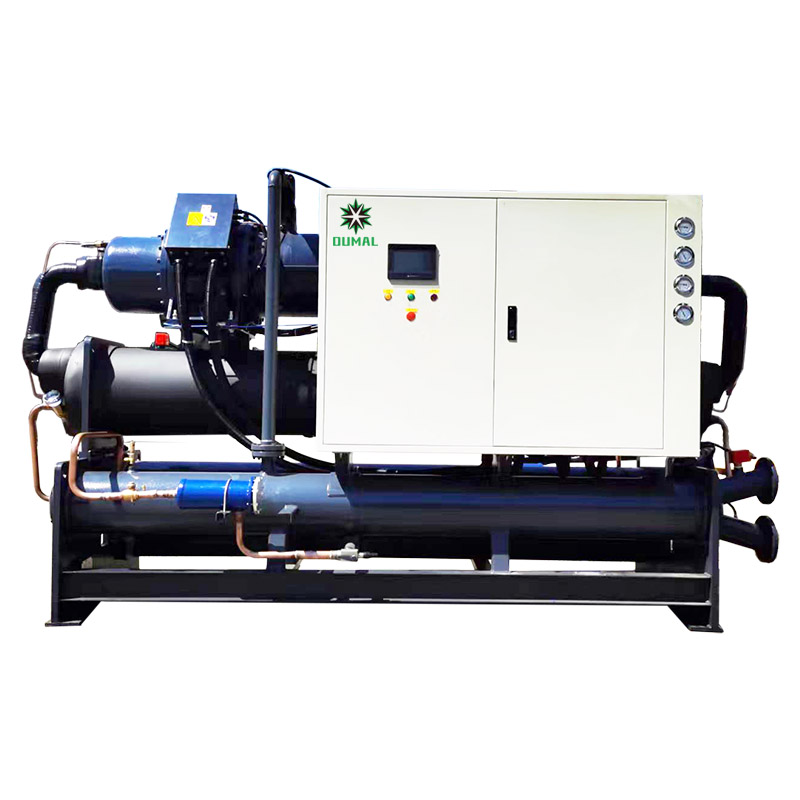
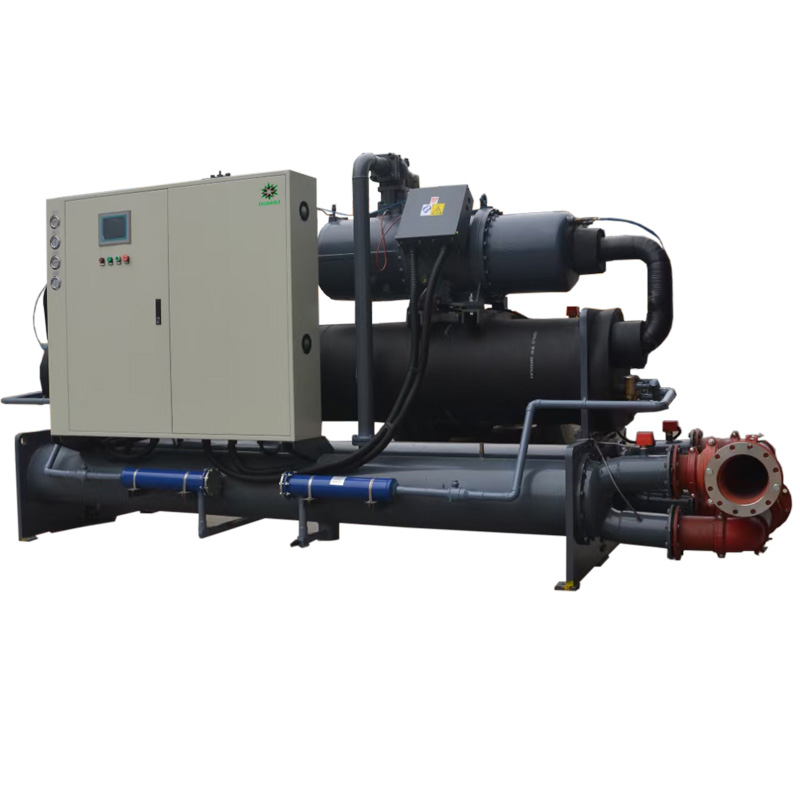
140 HP Water Cooled Screw Chiller

Durable Design

You want your cooling system to last a long time. Water cooled chillers are built strong and work well for many years. Most water cooled screw chillers last between 15 and 25 years. How long they last depends on how you take care of them and the parts inside. If you pick chillers from top brands, you get good parts that can handle tough jobs.

Some things make these chillers last longer:

Feature

Benefit

Schneider electric parts (European spec)

Stable performance and longer service life

High-standard components

Cost-effective and reliable operation

Robust construction

Withstands demanding environments

Tip: When your chiller is strong, you worry less about it breaking and can focus more on your business.


Fewer Repairs

You do not want your cooling system to break down often. Water cooled chillers need fewer repairs over time. This helps you spend less money on fixing them. If you take care of your chiller, it works better and does not have big problems.

Here are some common things you should do:

Maintenance Task

Description

Clean and Inspect the Condenser Tubes

Clean them once a year so heat moves out easily and you use less energy.

Check Refrigerant Levels

Look for leaks and fix them to keep your chiller working well.

Inspect and Clean Evaporator Coils

Clean every six months to help the chiller cool better.

Test Electrical Components

Check wires and replace broken parts so the chiller works right.

Lubricate Moving Parts

Make sure moving parts have oil so they last longer and do not wear out.

Monitor Water Flow and Pressure

Watch water flow and pressure to keep the chiller working well and stop damage.

Analyze Oil Quality and Levels

Check oil for dirt and change it if needed to keep things running smoothly.

Water cooled chillers give you steady cooling and do not cost much to keep up. If you take care of your chiller, it works well and you do not have to pay for big repairs. This saves your business money and keeps everything running.


Environmental and Regulatory Benefits

Lower Environmental Impact

You want your business to help the earth and work well. Water cooled chillers use less energy than most other cooling systems. This means you put fewer greenhouse gases into the air. Using less electricity lowers your carbon footprint. Many companies pick these chillers to reach their green goals.

You can also get chillers that use eco-friendly refrigerants. These refrigerants have a lower global warming potential (GWP). When you choose the right system, you help the planet and show customers you care about the future.

阅读全文......

Why Water-Cooled Screw Chillers Are Leading the Cooling Industry

Why Water-Cooled Screw Chillers Are Leading the Cooling Industry


Water-cooled screw chillers are the top choice in cooling systems. The market for these chillers will be worth over $4.8 billion in 2025. Big companies buy these chillers because they save energy, can grow with needs, and help the environment. Experts know it is important to watch new trends. Smart technology and new rules help people stay ahead in cooling system ideas.

  • Water-cooled screw chiller models use up to 30% less energy than old systems.

  • The market gets bigger as chillers show they work well for businesses and factories.

  • New ideas like modular design and predictive maintenance make more people use water-cooled screw chillers.


Water-Cooled Screw Chiller Basics


How Water-Cooled Screw Chillers Work

A water-cooled screw chiller cools big buildings and factories. It has two main loops. One is the refrigeration loop. The other is the chilled water loop. The refrigeration loop uses the vapor compression cycle. This cycle lets the refrigerant change between liquid and vapor. It helps absorb heat and then release it. The chilled water loop sends cold water to places that need cooling.

Here is how water-cooled chillers work step by step:

  1. The screw compressor takes in low-pressure refrigerant vapor. It squeezes the vapor to make it hotter and under more pressure.

  2. The condenser moves heat from the refrigerant to the cooling water. The cooling water goes to the cooling tower.

  3. The expansion valve drops the pressure and temperature of the refrigerant.

  4. The evaporator takes heat from the chilled water. This cools the water for the building or process.

  5. The cycle starts again. This keeps cooling steady and efficient.

This process makes water-cooled screw chillers great for keeping temperatures stable in many places.


Key Components

Every water-cooled screw chiller has important parts. These parts work together to keep things cool:

Component

Role in Cooling Process

Compressor

Squeezes low-pressure refrigerant gas into high-pressure gas. This makes it hotter and helps move heat.

Condenser

Takes heat from the refrigerant and gives it to the cooling water. This turns the refrigerant into a liquid.

Expansion Valve

Lowers the pressure and temperature of the refrigerant. This helps it absorb heat better.

Evaporator

Takes heat from chilled water or fluid. This makes the refrigerant turn into vapor and cools the fluid.

Chilled Water Loop

Sends chilled water to places that need cooling.

Condenser Water Loop

Sends cooling water to take heat from the refrigerant. The water then goes to the cooling towers.

Water Boxes

Direct water flow in the evaporator and condenser. This helps heat exchange work better.

Power Unit

Controls the electricity for the chiller. It includes starters and circuit breakers.

Controls

Watch and change how the chiller works. They can make alarms and let people control the chiller remotely.

These main parts help water-cooled chillers work well, last long, and stay reliable in tough places.


Energy Efficiency Advantages

Water-cooled screw chillers are very good at saving energy. They use water to move heat. This helps them cool big buildings well. Using water makes them use less energy. It also helps building owners follow green rules. Experts use SEER, EER, and COP to check how well chillers work. These numbers tell us how much cooling comes from the power used. Lower approach temperatures mean the chiller works better.


Variable Speed Drives

Variable speed drives, or VSDs, help chillers save more energy. VSDs let the compressor change speed when needed. This means the chiller does not always run at full power. It uses less energy when cooling needs are low.

  • VSDs stop energy waste by slowing the compressor instead of turning it off and on.

  • Studies show VSD chillers use about 11% less energy each year than chillers that run at one speed.

  • In big buildings, VSDs can save over a million kilowatt-hours every year.

  • Tip: VSDs make chillers work better and last longer. They also help save money over time.


Advanced Heat Exchangers

Advanced heat exchangers help chillers move heat faster. New designs, like falling-film evaporators and special tubes, use less refrigerant and energy.

  • Hybrid evaporators mix old and new ideas for better cooling and less harm to the planet.

  • Stronger tube materials stop rust and help move heat better.

  • These changes let chillers reach COP values up to 4.98, showing they save a lot of energy.
    Better heat exchangers also make chillers smaller. This saves space and helps them fit in tight spots.


Innovations in Water Cooled Screw Chiller Technology

Large capacity water cooled screw chiller

IoT and Smart Controls

New water-cooled screw chillers use IoT and smart technology. These systems collect data like temperature and humidity. They also track how much work the chiller is doing. Smart controllers use this information to help the chiller work better. This makes the chiller use less energy and run more smoothly.

  • IoT lets chillers change quickly when things change.

  • Smart controls can cut energy use by half compared to old chillers.

  • One factory in Beijing used 25% less energy in a month after adding smart controls.

  • These systems watch the equipment and make small changes to keep things working well.

  • This means fewer problems and better control of temperature.

Facility managers need to check their systems before adding IoT. They should pick equipment that works with the new tech. Staff must learn how to use the new system. Regular checks and care, like fixing sensors and checking networks, keep things running well. More people want energy-saving and green systems, so smart chillers are becoming popular.

Note: IoT and smart controls are a big step for cooling systems. They help companies save money and have less downtime.


Sustainable Refrigerants

The industry now wants to use sustainable refrigerants to protect the environment. Old refrigerants like R-134a can harm the planet. New rules say companies must use greener choices. The U.S. SNAP program and some states, like California, limit high-GWP refrigerants in new chillers.

  • New refrigerants like R-454B, R-1234ze(E), R-1233zd(E), R-513A, R-515B, and R-32 have much lower GWP.

  • Some have GWP close to 1, so they are almost climate-neutral.

  • These new refrigerants help chillers work better and follow strict rules.

  • Most are not flammable or only a little flammable, so they are safer.

  • Top companies now sell chillers with these refrigerants to cut carbon without losing performance.

Natural refrigerants like ammonia, CO2, and hydrocarbons have very low GWP. But they can be harder to use because of safety and cost. Using better refrigerants shows how new ideas and rules are changing cooling.


Scroll Compressor Integration

Adding scroll compressors is another big change in water-cooled screw chillers. Now, some chillers use both screw and scroll compressors together. This is called a hybrid system. It uses the best parts of each compressor.

  • Scroll compressors are good when the chiller does not need to work as hard.

  • Screw compressors are better when the chiller needs to cool more.

  • Hybrid chillers can switch between the two or use both, depending on what is needed.

This design helps chillers use less energy and work better. It also makes chillers more reliable. Hybrid chillers can fit many building sizes and uses. These changes help chillers meet new needs and support a greener world.

Tip: Hybrid systems give more choices and save energy. They are a smart pick for new buildings and upgrades.


Water-Cooled Chillers Market Trends

Market Growth Drivers

The water-cooled chillers market is getting bigger as cities grow. More factories and buildings need better cooling. The global chillers market was $3.86 billion in 2024. It may reach $4.66 billion by 2032. This growth happens because cities are growing fast. More factories are being built. Old cooling systems need to be replaced. Asia-Pacific is the biggest market for chillers. It has over 40% of the market. Southeast Asia wants more water cooled chillers.

Many things help the water-cooled chillers market grow:

  • Water cooled chillers use less energy than air-cooled ones in big buildings.

  • New rules make building owners pick greener cooling systems.

  • Smart cooling systems, like IoT chillers, help save energy and watch equipment.

  • Hotter weather and bigger cities mean more cooling is needed.

  • More money and new buildings mean more chillers are needed.

  • Green buildings and saving money on energy keep the market strong.

Note: The water-cooled chillers market has some problems. These include high starting costs and not enough water. But smart tech and new refrigerants give good chances for growth.


Scalability and Application Range

Water cooled chillers are important for big jobs and factories. They use cooling towers outside to get rid of heat. They work at lower temperatures than air-cooled chillers. This makes them use less energy. They help keep places like factories, data centers, and hospitals cool.

Some main features of water cooled chillers are:

  • They can cool big places very well.

  • Their designs can be changed to fit many spaces.

  • They are quick to set up and do not stop work much.

  • They work in many different temperatures for many jobs.

A table below shows how water cooled chillers help in different places:

Application Area

Benefit of Water Cooled Chillers

Data Centers

High capacity, small footprint

Manufacturing Plants

Stable cooling for heavy equipment

Hospitals

Reliable temperature control

Commercial Buildings

Energy savings and easy scaling

Water cooled chillers are the best pick for city cooling systems. Their small size and easy design help big places add more cooling fast. As cities get bigger and the world gets hotter, water-cooled chillers will stay important for big, efficient cooling.


Overcoming Challenges

Water Management

Water-cooled screw chillers have some water problems. Corrosion happens when air, minerals, or germs get inside. If different metals touch, they can cause leaks. Dirt and small bits from bad water or dirty towers can block pipes. This makes it harder for the chiller to cool things down. These problems make the chiller less efficient and can break it.

  • Condenser tubes can get dirty from things in the water.

  • Buildup inside the tubes slows water and makes the chiller work more.

  • Cleaning with chemicals or brushes keeps the chiller working well.


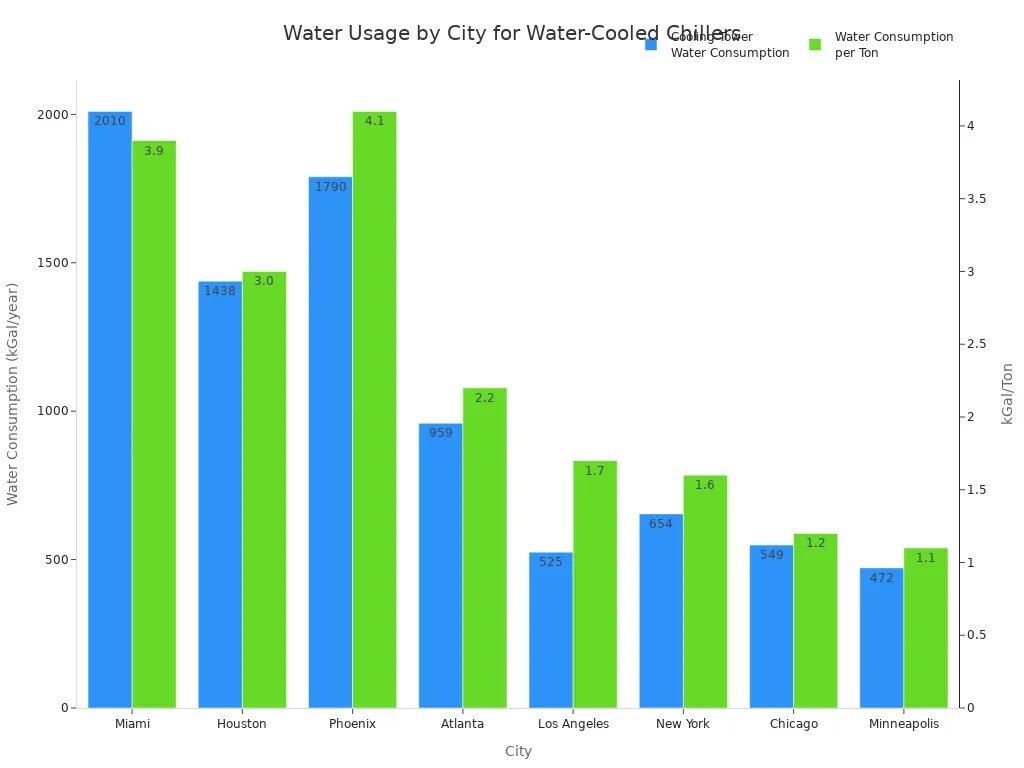
How much water chillers use depends on the city. For example, Miami chillers use about 2,010 kGal each year. Chicago chillers use only 549 kGal each year. Some cities charge a lot for water, which can cancel out energy savings. Using more cycles in cooling towers can cut water use by half.


Installation and Maintenance

Good installation and care help chillers last longer. Facility managers use smart tools and IoT sensors to watch temperature, shaking, and how well the chiller works. They look for leaks, clean tubes, and treat water to stop rust and dirt. Workers keep records and follow safety steps, like using lockout/tagout and PPE.

  • Each year, they check wires, look for leaks, and test controls.

  • Cleaning and water treatment stop clogs and help cooling.

  • Training helps workers find problems early and avoid mistakes.

A good maintenance plan helps chillers last longer and break down less often.


Future of Water Cooled Chillers

Evolving Demands

The water-cooled chillers market is changing as new rules and technology appear. Companies want chillers that use less energy because energy prices are going up. They look for chillers with variable speed compressors and better heat exchangers. These features help save power and lower costs.
Facility managers now like smart controls and automation. IoT and AI systems let them watch chillers in real time and fix problems before they get worse. These tools help chillers work better and stop long breaks.
People care more about the environment, so the market is moving to safer refrigerants. Hydrofluoroolefins and natural choices like ammonia and carbon dioxide are better for the planet.
Saving water is also important now. New water treatment, closed-loop cooling, and hybrid systems help use less water but keep chillers working well.
The market is also starting to use renewable energy like solar and geothermal. Better materials help chillers last longer and stop rust. Rules and rewards push companies to pick greener technology.

The water-cooled chillers market is moving toward being greener, saving money, and using smart tech.


Anticipated Advances

In the next ten years, water-cooled chillers will get much better. Compressor technology, refrigerant control, and variable-speed drives will help chillers save more energy and work better.
Manufacturers want to add more smart controls and IoT features. These upgrades will let people check chillers from far away and fix problems before they start.
Eco-friendly refrigerants with low global warming potential will become normal as rules get stricter.
Modular designs and custom options will help companies get chillers that fit their needs.
Smart building systems will connect with chillers to save even more energy.
New rules, like the F-Gas Regulation in Europe, make the market create safer and greener chillers.

  • New changes in the water-cooled chillers market will help companies follow rules and work better.

  • The market will keep growing as cities get bigger and need more cooling.

  • Manufacturers will work on making chillers reliable, flexible, and good for the environment.


Water-cooled screw chiller systems are very popular. They save a lot of energy and use new technology.

Market Highlights

Details

Market Share

Water cooled chillers have 56.4% in 2024

Growth Drivers

They save energy, use smart controls, and eco-friendly refrigerants

People who pick cooling systems should choose water cooled chillers. These chillers are reliable and ready for the future. It is smart to follow new trends to keep doing well.


阅读全文......